

Free written scope consultation - allowances, timeline, and change-order rules on paper before a single trade is scheduled
Styles & brands we work with







See the difference
 Before
 After
After Before
 After
After Before
 After
AfterKitchen Island Installation in Jacksonville, FL
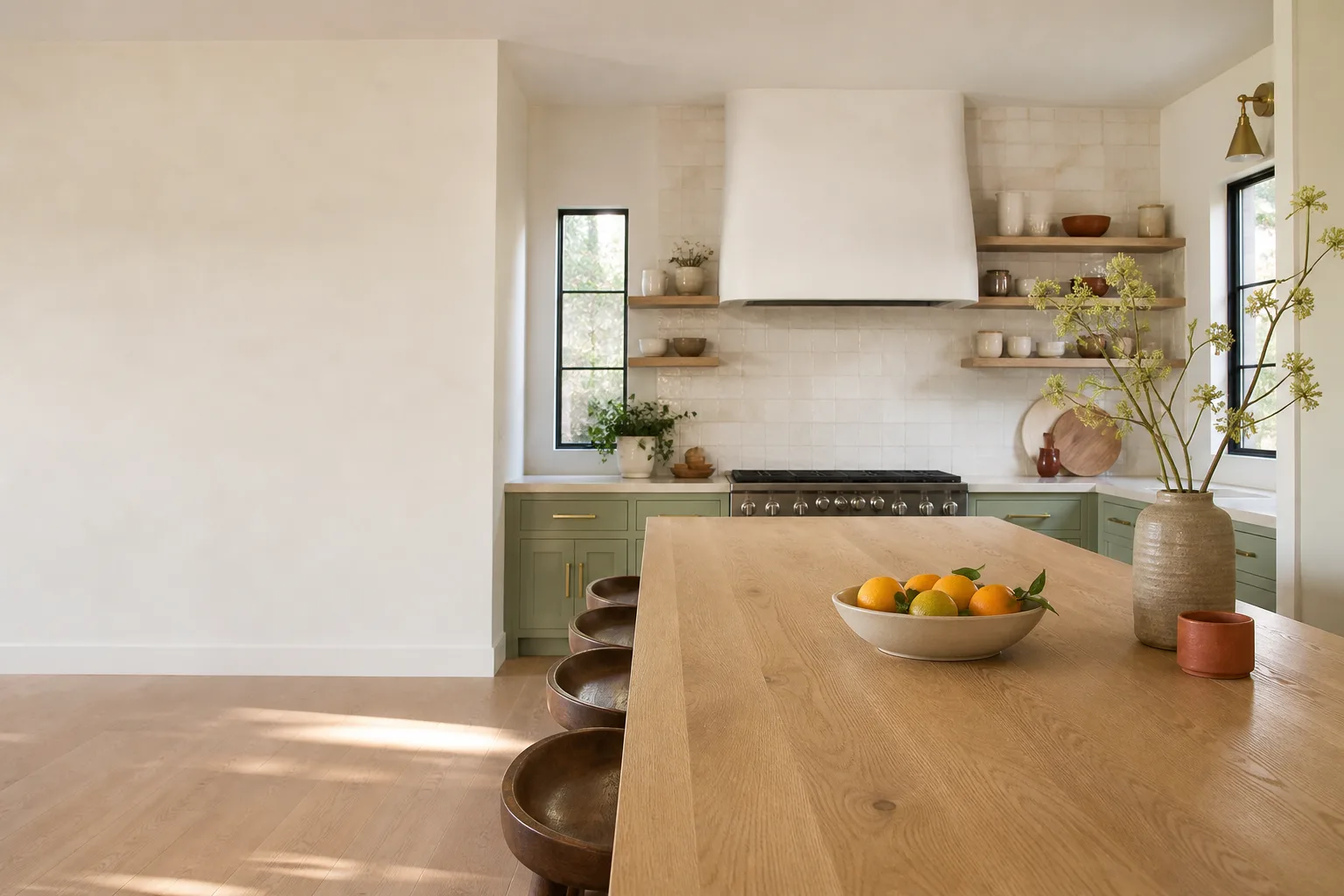
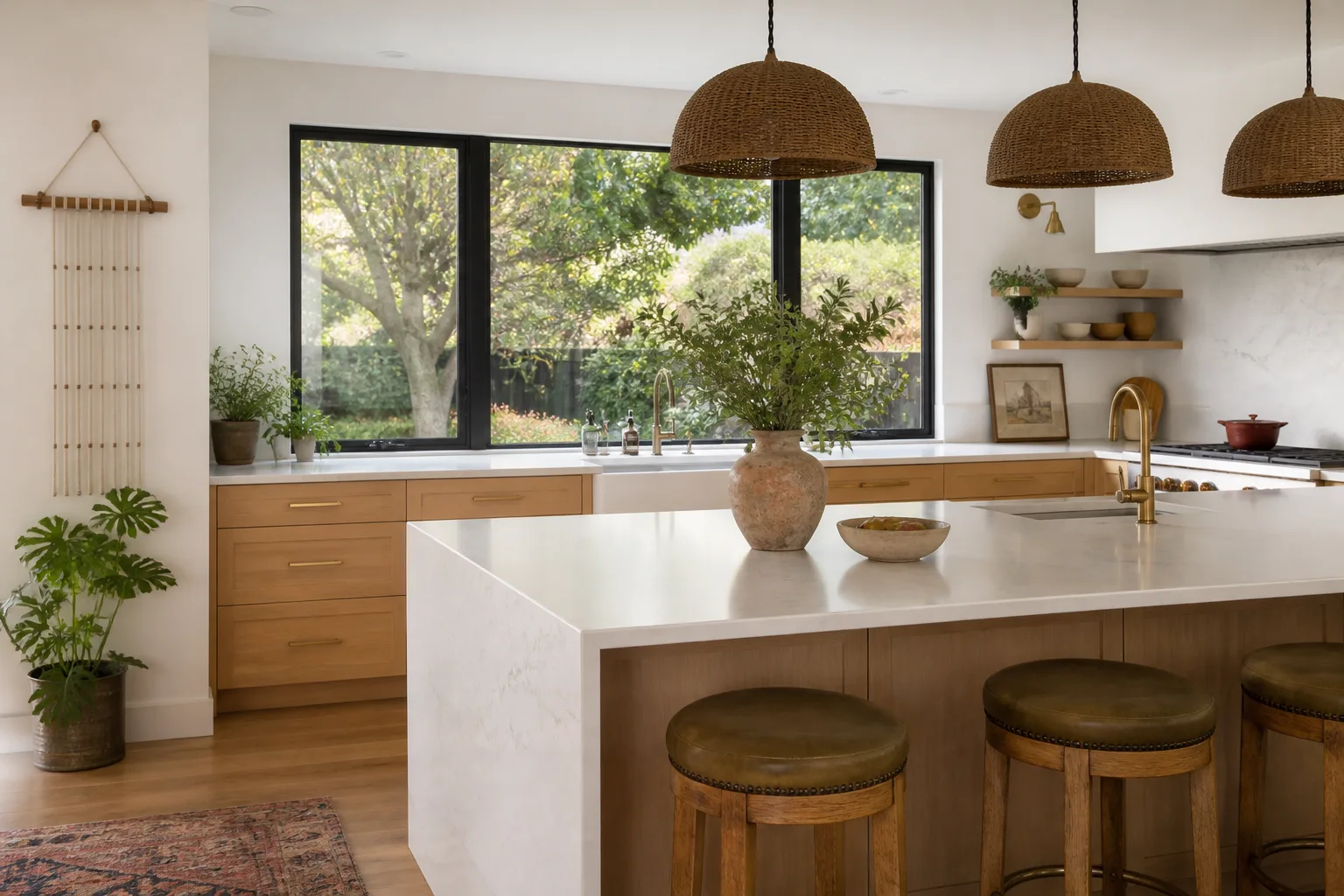
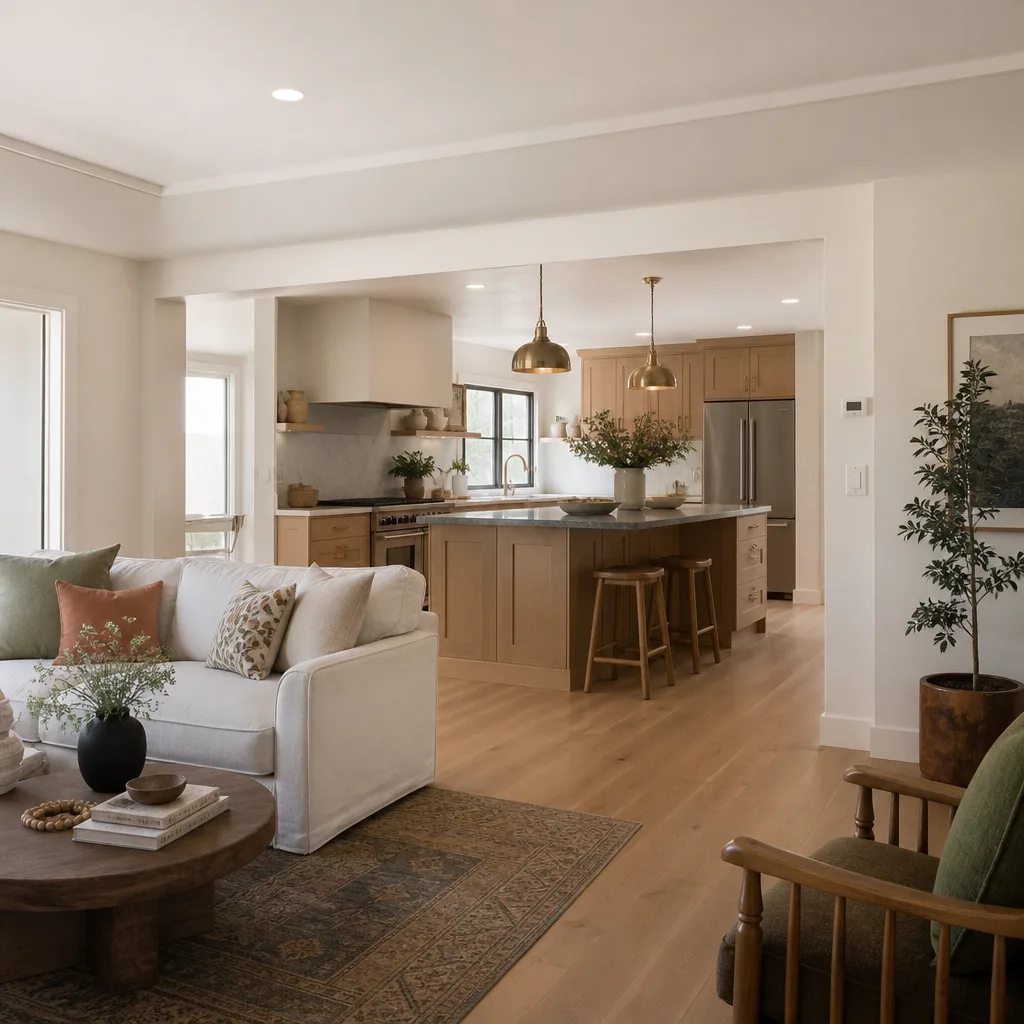
Kitchen island installation in Jacksonville typically costs between $3,800 and $9,600 depending on the island’s size, whether it needs plumbing or electrical work, and the materials you choose. Most projects in the Jacksonville metro take 2 to 5 days from framing to final trim, with the written price confirmed before any work starts. Elmstead Remodeling Jacksonville, led by Graham Stein, has been installing kitchen islands across Jacksonville’s older bungalow neighborhoods and newer planned communities since 2005. If you’re weighing whether an island fits your kitchen’s footprint and your family’s daily rhythm, call us at (904) 643-6243 for a free estimate. And if you want to see the full scope of what we do in kitchens, our Kitchen Remodeling in Jacksonville page covers the whole picture.
What sets the way we install islands apart is not one dramatic thing. It’s the smaller, unglamorous things: a written price before we touch the room, drop cloths laid before the first tool comes out of the truck, shoe covers at the door, and a photo of the clean-up handed to you before the crew leaves. Families in Jacksonville ask us about islands because they want more prep space, a place for kids to do homework while dinner cooks, or seating that doesn’t require a formal dining room. Our Kitchen Remodeling services are designed around that actual life, not a showroom photo. We design and install for that actual life, not for a showroom photo.
When You Need Kitchen Island Installation
An island is not automatically the right answer for every Jacksonville kitchen. The times it works best tend to look like this:
- Your counters are full before the meal begins. In Jacksonville’s 1970s and 1980s ranch homes, kitchens often run a single wall of cabinets. An island doubles or triples usable prep surface without moving walls or plumbing stacks.
- Kids and adults collide during dinner prep. An island creates a second work zone so one person can chop at the perimeter counter while another works at the island, and a third can sit without being in the path of the oven door.
- You host but the kitchen feels walled off. Many Jacksonville homes in neighborhoods like San Marco and Riverside have formal dining rooms divided from the kitchen. An island with seating pulls people into the room where the cooking happens, which is where people actually gather.
- You need storage without an upper-cabinet remodel. Base-cabinet islands add deep drawers and pull-out shelving without touching the sight lines or requiring permits that upper-cabinet work sometimes triggers in older Jacksonville structures.
- Your pets’ bowls and the breakfast routine crowd the floor. An island can house a pull-out feeding station and a dedicated lower drawer for lunchboxes, keeping the floor path clear and the morning rush less chaotic.
- You’re already replacing flooring or lighting. If the kitchen is already opened up for flooring or electrical work, running a new island’s electrical and anchoring it is far less expensive than doing it as a standalone project later.
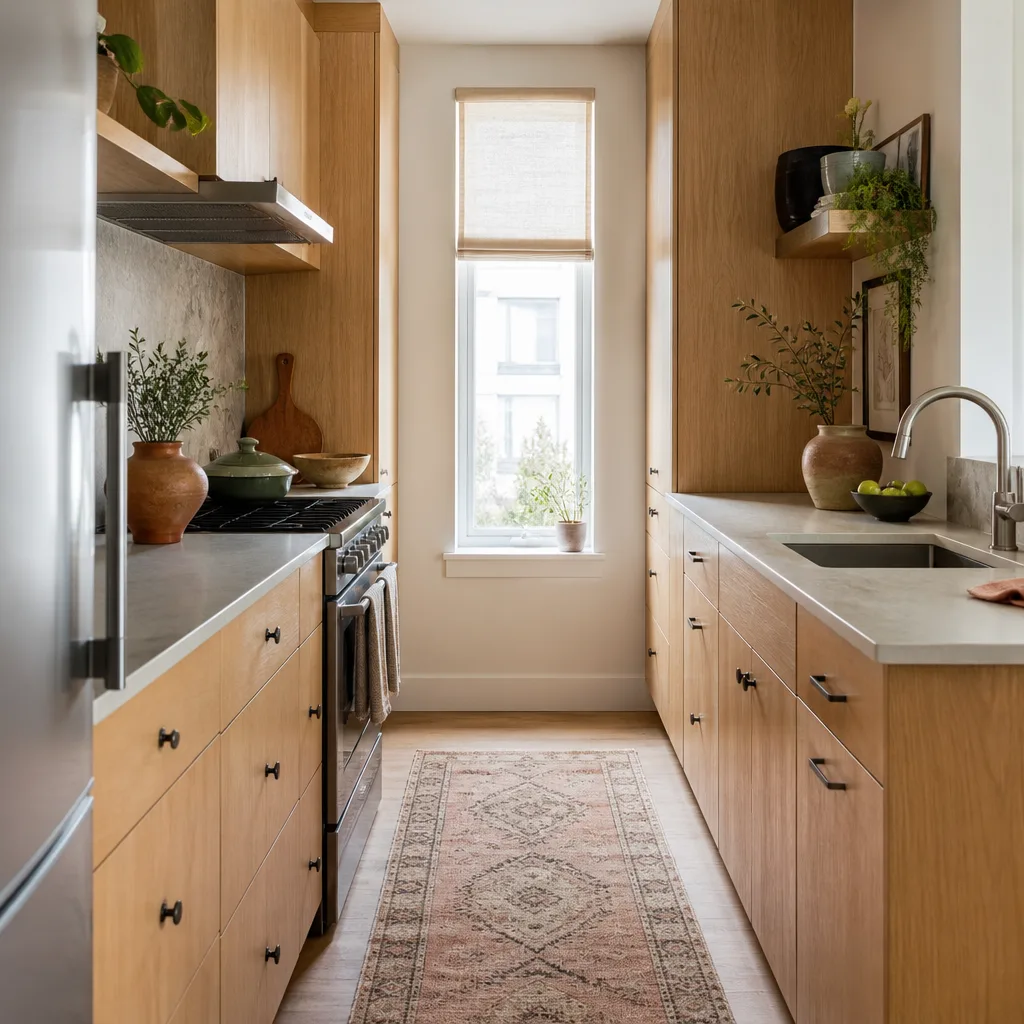
None of these mean an island is automatic. A cramped galley kitchen in a Jacksonville beach bungalow may have no room for a code-compliant island with the required 36 to 42 inches of clearance on all working sides. We measure first and tell you plainly if an island will hurt the kitchen’s flow. That honesty is part of how we work: we’d rather tell you an island is the wrong move than install one you’ll resent every time you open the refrigerator door.
Our Kitchen Island Installation Process
You should know exactly what a Small & Partial Kitchen Remodels project will look like before you sign anything. Here is the sequence we follow on kitchen island installations in Jacksonville, with the Cedarwell Care Promise built into each step.
- Measurement and written price. Graham Stein or a member of his Jacksonville crew visits the home, measures the kitchen, checks for load-bearing conditions, and discusses how you’ll use the island: seating, prep, appliances, storage, or all four. You get a written price before any work is scheduled. Not a verbal ballpark. A written, line-itemed number.
- Design and material selection. We walk through cabinet options from KraftMaid and Wellborn, countertop materials from Cambria, Silestone, and Caesarstone, and fixtures from Kohler, Moen, and Grohe. You choose materials by name, and the warranties on those products travel with the finished island. We also flag pet-safe product choices where there is a choice, including low-VOC adhesives and finishes that won’t off-gas into a home where kids and animals breathe the same air.
- Site preparation. The crew lays drop cloths over the work path from entry door to kitchen, and shoe covers go on before anyone steps inside. We ask before moving anything: furniture, pet crates, a child’s toy kitchen that sits in the corner. Nothing gets shifted without your yes.
- Framing, rough-in, and installation. This is where the island takes its physical form. If the island will have power for outlets or under-counter appliances, a licensed electrician handles that work to code. If it will have a sink, a plumber runs water lines and drainage. We coordinate both trades so the scheduling is not your burden. Quiet tools are used during family rest hours where possible, and we ask about nap schedules and school hours before the work begins so the crew’s noise lands at the least disruptive time.
- Countertop, trim, and finish work. The countertop slab is set, cabinet hardware is installed, and the island is leveled and secured. Edges are caulked cleanly. Doors and drawers are adjusted so they close softly and evenly.
- Clean-up and photo proof. The crew cleans the kitchen floor, the path to the door, and any surfaces that collected dust. Before anyone leaves, you get a photo of the clean-up. That photo is not a courtesy; it’s part of the Cedarwell Care Promise and it’s included on every job.
After the island is complete, the 365-Day Done Right Promise remains in effect. If something is not done right once the project is finished, we make it right. That’s not a marketing line. It’s stamped on every Elmstead Remodeling Jacksonville project, and it has been since the company began serving Jacksonville in 2005.
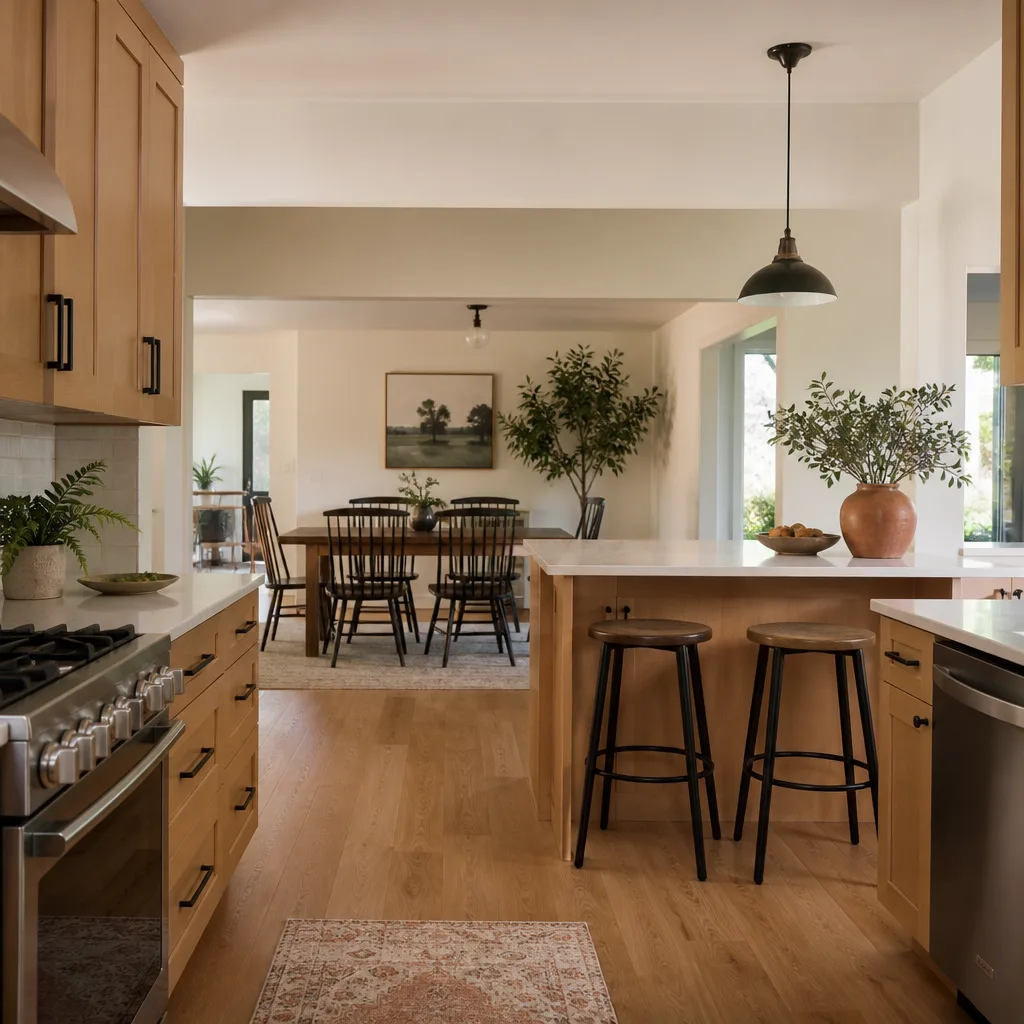
Kitchen Island Installation Pricing in Jacksonville
The cost of a kitchen island in Jacksonville depends on a handful of concrete factors, and you should know what they are before you start comparing bids. Here are the ranges we typically see in this market.
What Affects the Price of a Jacksonville Kitchen Island
- Size and cabinet construction. A 3-foot by 4-foot island with base cabinets typically runs $1,800 to $3,200. A larger 5-foot by 7-foot island with drawers, pull-outs, and seating overhang runs $3,500 to $6,000 or more, depending on the cabinet line and finish.
- Countertop material. Laminate tops run $25 to $45 per square foot installed. Quartz from Cambria or Silestone typically lands between $75 and $140 per square foot including fabrication and install. Natural stone varies more widely, but $90 to $170 per square foot is common for granite or quartzite here. Jacksonville’s humidity makes quartz an especially practical choice for families who don’t want to reseal natural stone every year.
- Plumbing or electrical work. If the island will have a sink, dishwasher, or wine fridge, expect $900 to $2,600 for plumbing rough-in depending on how far the lines must travel from existing walls and whether the slab is on-grade, which is common in many Jacksonville subdivisions where homes sit on concrete slabs rather than raised foundations.
- Electrical for outlets and lighting. Jacksonville code generally requires at least one outlet on an island with countertop space. Adding a dedicated circuit and outlets runs $300 to $750. Adding pendant lighting above the island runs $350 to $900 including fixtures from brands like Kohler or Moen.
- Flooring and finish repairs. If the island is going in where flooring exists but won’t be covered by the island footprint, there may be small patching or transition work. This typically runs $150 to $500, less if we’re already doing a broader kitchen remodel.
Sample Jacksonville Island Project Ranges
Here’s what complete projects tend to cost in our market, including materials, labor, and clean-up:
| Project Type | Typical Range |
|---|---|
| Small prep island, no plumbing, laminate top, 3-4 cabinets | $3,800 – $5,200 |
| Mid-size island with quartz top, seating overhang, electrical | $5,500 – $8,000 |
| Large island with sink, quartz top, dishwasher rough-in, seating | $8,500 – $12,000+ |
These numbers are not guesses. They are based on the projects our Jacksonville crews have installed in neighborhoods like Avondale, Ortega, Mandarin, and Nocatee. Every project starts with a free estimate and a written price before any work begins. The price we give you is the price on the invoice. If something changes because you change your mind about a material or layout, we put the new number in writing before we proceed. Call (904) 643-6243 for a free estimate, and you’ll have a specific number for your kitchen, not a range from a website.
FAQs – Kitchen Island Installation
How much does kitchen island installation cost in Jacksonville?
Kitchen island installation in Jacksonville typically costs $3,800 to $9,600 for most projects, with larger islands that include plumbing and Quartz & Granite Countertops running $12,000 or more. The final number depends on island size, countertop material, whether you need electrical or plumbing work, and the cabinet line you choose. Call (904) 643-6243 for an exact quote for your kitchen; estimates are free and the written price is given before any work starts.
Can you install a kitchen island in one day?
No, a proper kitchen island installation takes 2 to 5 days and cannot be responsibly completed in one day. The work requires framing, cabinet assembly, countertop templating and fabrication, and in many Jacksonville homes, electrical or plumbing rough-in that must be inspected. A one-day island would be a pre-fabricated furniture piece, not a built-in, and it would not give you the storage, seating, or code-compliant electrical work a real island provides.
Does a kitchen island need a permit in Jacksonville?
In most Jacksonville neighborhoods, a kitchen island requires an electrical permit if it includes outlets or lighting, and a plumbing permit if it includes a sink or dishwasher. The City of Jacksonville’s Building Inspection Division reviews these permits, and Elmstead Remodeling Jacksonville handles the permit paperwork and inspections as part of the project. We don’t skip permits to save money; an unpermitted island becomes a problem when you sell the home and the buyer’s inspector finds it.
Is it cheaper to add an island or remodel the whole kitchen?
Adding an island alone is always cheaper than a full Kitchen Remodeling in Jacksonville project, but the right answer depends on the current condition of your kitchen. If the perimeter cabinets are solid and the layout works, an island-only installation is the smarter spend. If you’re already living with failing cabinet hinges, worn counters, or a layout you don’t like, combining the island with the broader remodel saves you money on mobilization, permitting, and flooring transitions. We’ll tell you straight which path makes sense for your kitchen and your budget.
Will my family be able to use the kitchen during island installation?
Partially. The crew will keep the disruption as contained as possible: drop cloths over the work path, dust barriers where needed, and clear communication about which hours the kitchen will be hardest to use. You won’t lose the refrigerator or the sink for days at a time unless the island project includes relocating plumbing. We ask about meal schedules and nap times at the walkthrough, and the crew works around the family’s rhythm wherever the project allows.
Why Jacksonville Families Choose Elmstead Remodeling for Island Installation
Most of the families we work with in Jacksonville aren’t choosing a contractor for islands. They’re choosing who they trust to be in the house while the kids are doing homework at the dining table and the dog is circling the crew’s feet. That’s the actual job.
Our crews are background-checked and uniformed. You know who is walking through the door every morning. The phones are answered by a live person, 24/7, not a voicemail box and not an answering service. If you call at 10 p.m. with a question about the island’s electrical, a human picks up. Those are Cedarwell Care Promise standards, and every Elmstead location, including Jacksonville, holds to them. As a Cedarwell company, we carry the same care standards across our projects: drop cloths and shoe covers inside the house, a written price before work begins, a photo of the clean-up before we leave, quiet tools during rest hours where possible, and pet-safe product choices where there is a choice.
You’ll also get named-brand materials you can research yourself. Cabinets from KraftMaid and Wellborn. Countertops from Cambria, Silestone, and Caesarstone. Fixtures from Kohler, Moen, and Grohe. When our vendors offer roofing lines like Owens Corning, IKO, or Atlas, those same brand-name standards carry through every part of a project where we are selecting materials. You’re never told to “trust us” on a no-name product. You get the manufacturer’s name, and the manufacturer’s warranty travels with the completed island.
The C.A.R.E. values aren’t something we hang on a wall. They are the operating rules: Clean up like it’s our own home. Ask before we move or touch anything. Respect the family’s time and quiet hours. Explain the price before the work. If you have a question about how any of those show up during an island installation, ask at the estimate. We’ll answer with specifics, not slogans.
What a Kitchen Island Does for Day-to-Day Life in Jacksonville
The families we build islands for usually describe the change in ordinary terms. More room to roll out dough on a Tuesday night. A place for backpacks that isn’t the dining table. A lower drawer for the dog’s food that doesn’t require bending into a dark cabinet. A spot where a guest can sit with a glass of wine while dinner finishes, instead of standing in the doorway with nowhere to be.
In Jacksonville’s heat, an island also changes how you cook. A home kitchen without an island runs hotter and feels more cramped when the air conditioning is working hard from May through October. Additional counter depth and a second work surface let two people cook at once without shoulder-to-shoulder crowding, and that matters more in the summer months when cooking indoors is already a compromise. Some of our clients in Riverside and San Marco want islands specifically because they cook with more fresh produce in summer and need the prep surface; others in Mandarin and Nocatee want the seating so kids can eat breakfast while the parents pack lunches on the other side.
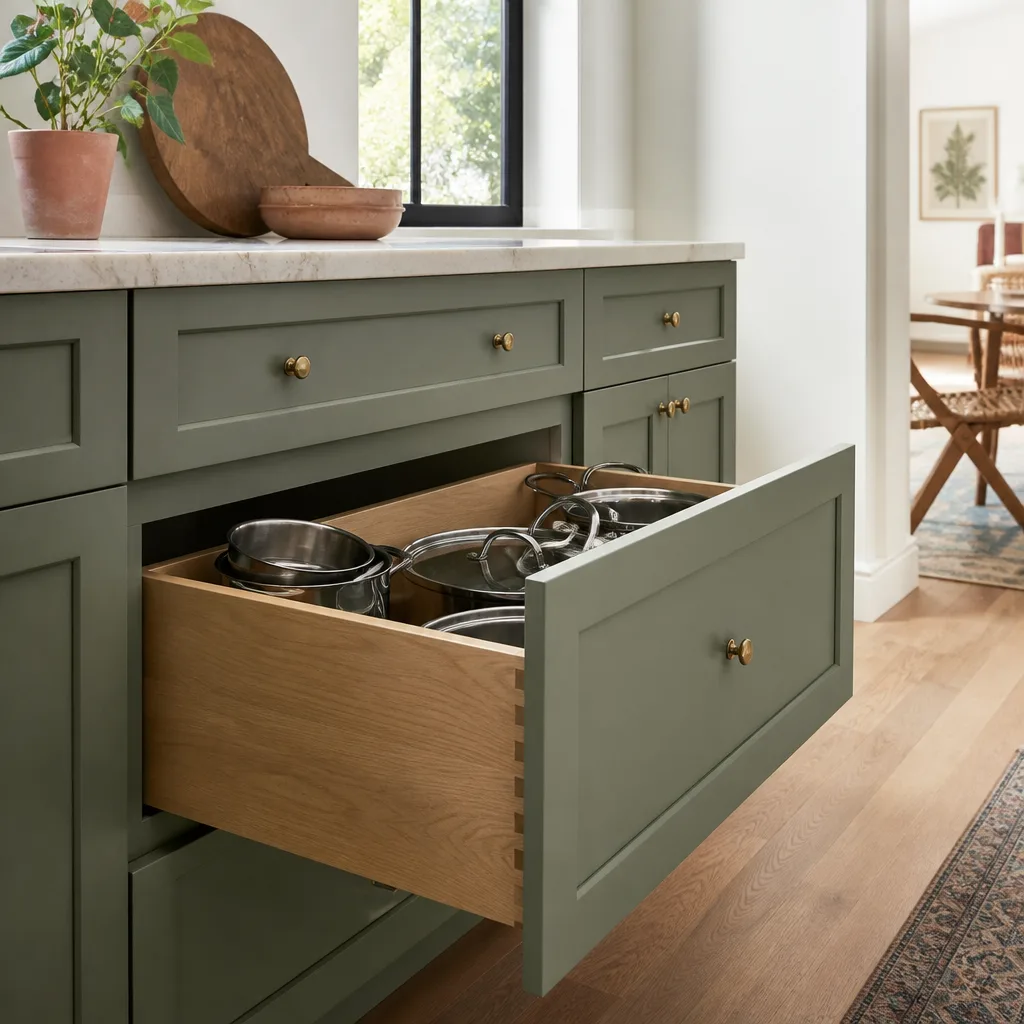
The island also changes how the kitchen handles the daily mess, if it’s designed well. Deep drawers hold pots and pans. Pull-out shelves eliminate the crouch-and-reach problem. A built-in trash and recycling pull-out gets the bins off the floor. These are not luxuries; they’re the difference between a kitchen that works and a kitchen that fights the family every day. We design for the second one.
Choosing the Right Island for Your Jacksonville Kitchen
There are a few decisions that shape the whole project. We walk through these at the estimate, but knowing them before we arrive helps you think about how the island will actually be used.
Seating or No Seating
If you want island seating, you need countertop overhang. A 12-inch overhang supports casual stools; a 15-inch overhang is more comfortable for kids doing homework or adults lingering over coffee. Seating also changes the island’s depth. A prep-only island can be 24 inches deep. A seating island generally needs 36 to 42 inches. That difference may be the deciding factor in whether the island fits your Jacksonville kitchen’s footprint.
Storage Configuration
Drawers cost more than doors with shelves, but they’re significantly more useful for daily cooking. We typically recommend a mix: deep drawers on the cooking side for pots and pans, a cabinet or two with pull-outs for small appliances, and a narrow drawer near the seating side for napkins and kids’ utensils. The configuration should be designed around how your family cooks, not what looks symmetrical in a catalog photo.
Sink or No Sink
An island sink is the single most expensive decision in the project because it adds plumbing rough-in, and in Jacksonville’s slab-on-grade homes, that often means cutting concrete. It also takes countertop space away from prep. But if your current sink is in a corner with no room to the left or right, moving the sink to the island can be the change that finally makes the kitchen flow. We’ll price both paths at the estimate so you can decide with actual numbers in hand.
Power and Lighting
Every island with a countertop needs at least one outlet to meet code. Beyond that, consider whether you want a small appliance lift, a charging drawer for phones and tablets, or under-counter lighting that makes the island feel intentional at night. Pendant lights over the island are the most visible upgrade, and they need to be hung at the right height so they don’t block sightlines when you’re seated. We handle all of that in the rough-in so there’s no exposed conduit or extension-cord workarounds.
How Jacksonville’s Housing Stock Affects Island Installation
Jacksonville is not one kind of housing market, and that shows up in island installations in practical ways.
In the older neighborhoods like Riverside, Avondale, and Springfield, homes are often pier-and-beam with original hardwood floors and plaster walls. Islands in these houses require careful floor leveling and sometimes structural work to handle the added point load. We check joist spacing and direction before we commit to a placement. In San Marco’s 1920s and 1930s homes, kitchens are often narrow, which means a well-designed island has to be narrower than standard and may need to tuck against a wall as a peninsula instead. We’ll tell you when that’s the case.
In the newer developments like Nocatee, Bartram Park, and Durbin Crossing, homes are typically slab-on-grade with open-concept kitchens and engineered trusses. Adding plumbing to an island in a slab means trenching the concrete, which is dusty and expensive, but it’s also common and manageable with the right dust containment. We lay barriers and protect the HVAC returns during that phase so concrete dust doesn’t travel through the whole house.
The coastal homes at Jacksonville Beach and Atlantic Beach add moisture to the equation. Salt air and humidity affect cabinet materials and countertop choices, and we lean toward quartz and sealed plywood construction rather than particleboard in those homes. These are the local details that never appear in generic installation guides because they come from years of working in this specific city’s housing stock.
Key Takeaways for Jacksonville Homeowners
- Kitchen island installation in Jacksonville runs $3,800 to $9,600 for most homes, with a written price confirmed before any work starts.
- Plan for 2 to 5 days of work, with plumbing and electrical handled by licensed trades as part of the project.
- Permits are generally required for electrical and plumbing work, and we handle the paperwork and inspections.
- Jacksonville’s slab-on-grade homes make island plumbing more involved, while older pier-and-beam homes may need floor leveling first.
- You get a photo of the clean-up before the crew leaves, and the 365-Day Done Right Promise covers the finished island for a year.
- Call (904) 643-6243 any time for a free estimate; a live person answers, day or night.
Get a Written Price for Your Jacksonville Kitchen Island
The first step is a phone call and a visit. We measure your kitchen, listen to how your family uses the space, and give you a written price for the island that fits. There’s no pressure, no high-stakes sales pitch, and no number that changes once the crew arrives. If you want to talk through whether an island makes sense in your home, call (904) 643-6243 and ask for Graham Stein. If you’d rather think first, start with our home page to see the full range of remodeling work we do in Jacksonville.
Written by Graham Stein, Owner at Elmstead Remodeling Jacksonville, serving Jacksonville.


