
Free written scope consultation - allowances, timeline, and change-order rules on paper before a single trade is scheduled
CWS Home Additions & ADU: The Jacksonville Owner’s Guide
When a CWS home addition or ADU has a failing component, the question owners ask us most is whether the fix means tearing into finished work. It rarely does. Elmstead Remodeling Jacksonville stocks CWS-compatible parts for additions and accessory dwelling units across Jacksonville, and the typical installed repair or replacement runs between $45,000 and $130,000 for substantial structural work, with smaller component swaps landing well below that. Most Jacksonville homeowners discover the problem the same way: a door that no longer closes square, drywall hairline cracks that widen through a Florida summer, or a subfloor that gives slightly underfoot near the original roofline tie-in.
We’re an independent Jacksonville contractor, not affiliated with CWS. What we bring is direct experience with how CWS additions behave in this climate, and the parts knowledge to match a replacement to the original framing, flashing, and finish details.
Which CWS Models This Applies To
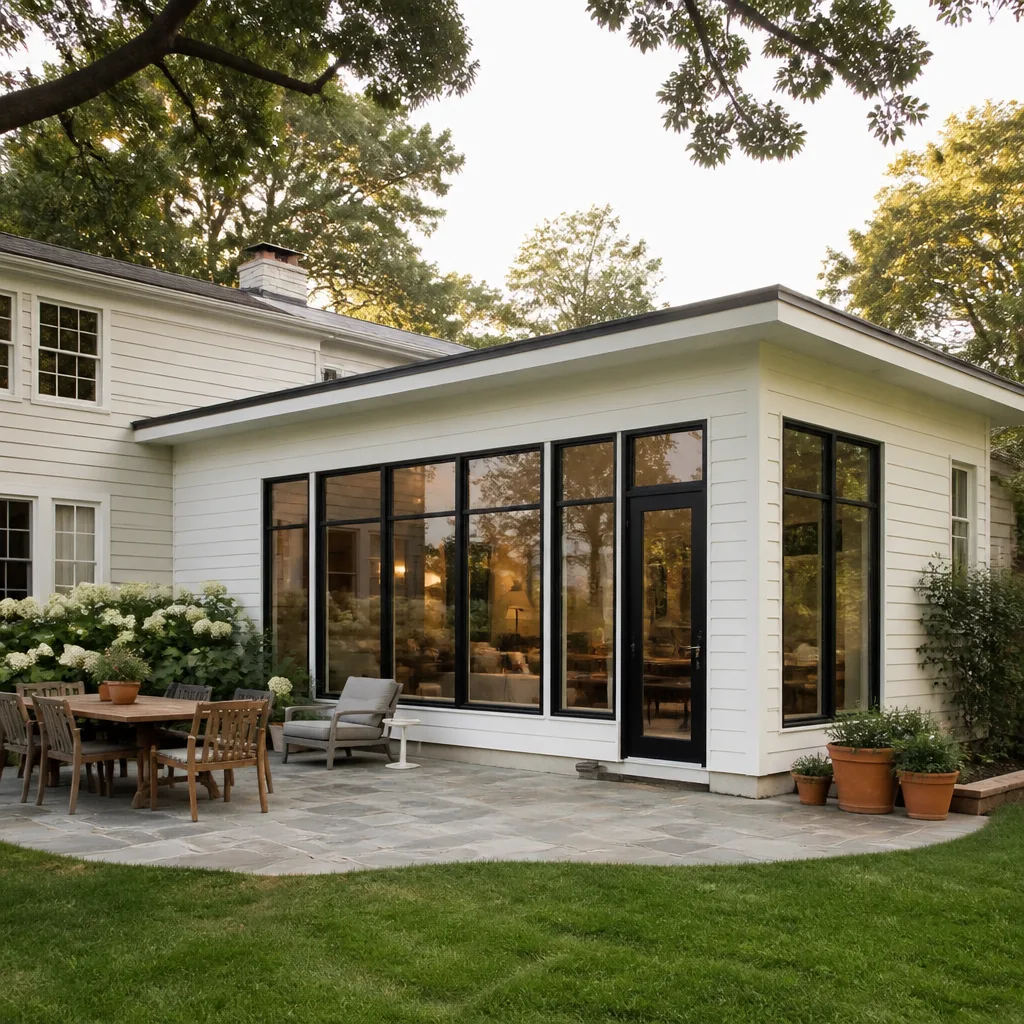
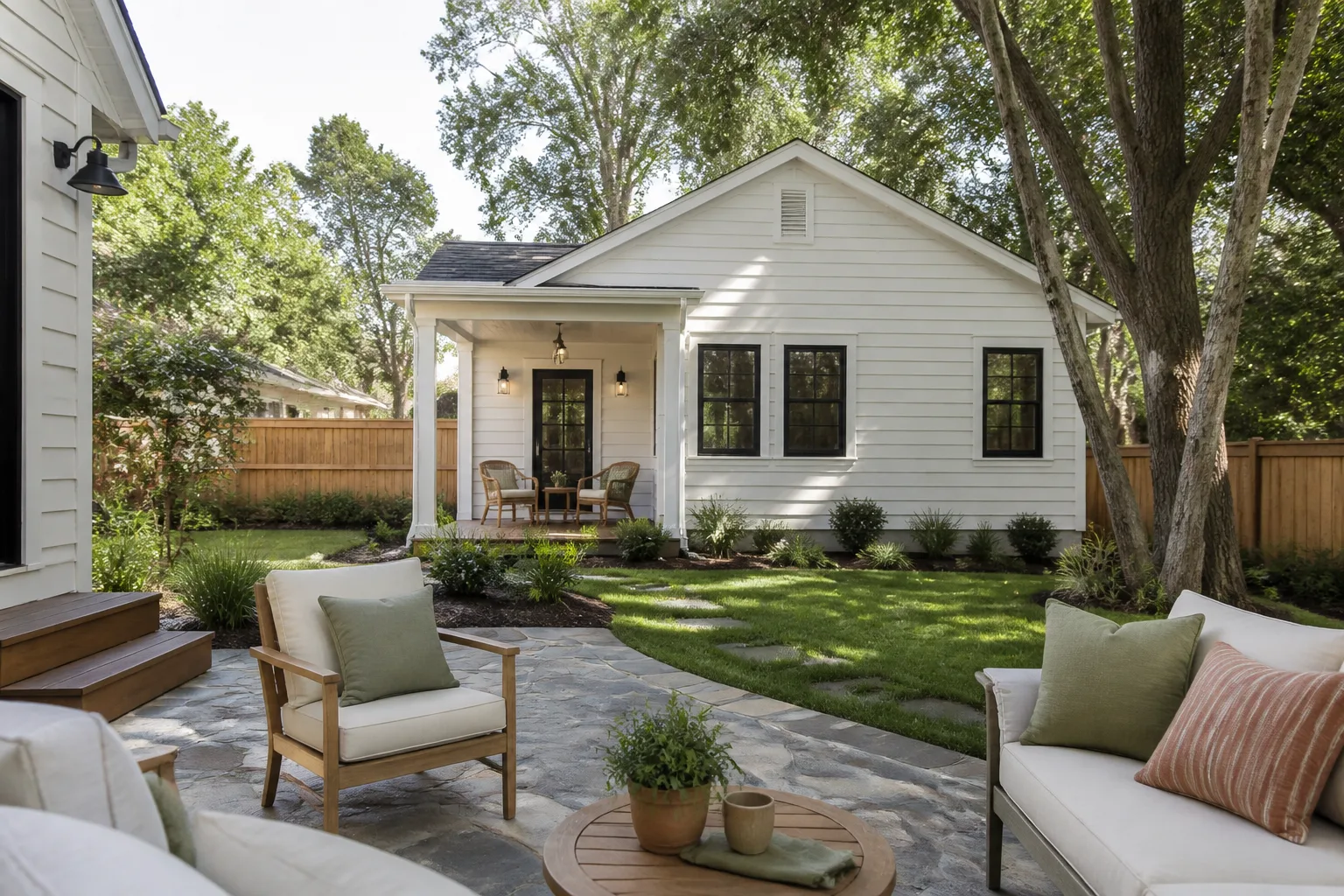
CWS home additions in Jacksonville typically fall into two construction families: stick-built room additions tied into the existing roofline, and prefabricated or panelized ADU structures set on their own foundation. The parts that fail are rarely the branded CWS components themselves. They’re the interface points: the ledger board flashing, the transition membrane where the addition meets the main slab, the tie-in flashing at the roofline, and the threshold assemblies at exterior doors. Knowing which CWS series you have matters because the flashing profiles and waterproofing detailing differ between a slab-on-grade addition and a raised-floor ADU, and using the wrong profile is how a five-year leak becomes a thirty-thousand-dollar sill repair.
Grab the CWS identification plate, usually mounted inside the electrical panel closet or on the main beam in the attic of the addition. It will list the series number and the year of manufacture. Take a photo of it before you call anyone, including us. That plate tells us the original spec for the wall sheathing, the roof pitch, and the flashing system CWS specified. For most CWS additions built after 2010, we can source OEM-equivalent flashing and transition parts. For older units where CWS discontinued the profile, we fabricate the match through our Jacksonville sheet metal shop rather than forcing a generic aftermarket piece that doesn’t seat correctly. Graham Stein has walked enough of these tie-ins in Jacksonville to know that the $40 savings on a universal flashing kit is never worth the water damage it invites in a storm season like ours.
Styles & brands we work with







Signs Your CWS Home Additions & ADU Is Failing
- Interior doors in the addition start sticking or swinging open on their own. This is usually settling at the foundation interface between the original house and the CWS addition. The two structures move at slightly different rates through Jacksonville’s wet-dry cycles, and the door frames are the first place that movement shows.
- Fine drywall cracks at the ceiling where the addition meets the original roofline. Differential thermal expansion, not structural failure, is the typical cause. It becomes a repair issue when the crack reopens within a year or begins to widen past an eighth of an inch, which tells us the tie-in connection needs reinforcement rather than cosmetic patching.
- A musty smell in the addition after heavy rain, even with no visible water. This is almost always flashing failure at the roofline tie-in. Jacksonville’s afternoon downpours run water along the seam at high volume, and a deteriorating transition membrane lets moisture wick into the wall cavity long before a ceiling stain appears.
- Flooring near the addition’s original exterior wall lifting or cupping. The old exterior wall is now an interior divider, but the weeping system and sill plate under it weren’t designed to be fully enclosed. Once moisture gets trapped there, the flooring is the first visible casualty. We see this regularly in Avondale additions, where the older Craftsman slabs hold humidity against the new framing.
- The mini-split or ducted HVAC in the ADU struggling to keep temperature. Often it’s not the equipment. It’s air intrusion at the wall-to-roof junction of the CWS structure, which in Florida’s humidity means the unit fights outside moisture load as hard as it fights heat. Fixing the air seal solves the comfort problem without touching the HVAC system.
See the difference
 Before
 After
After Before
 After
After Before
 After
AfterReplacement Cost & What’s Included
Installed repair and replacement costs for CWS home additions and ADUs in Jacksonville depend on what failed and how far the damage reached. Here’s what you can expect on a line-item basis:
- Flashing and transition membrane replacement at the roofline tie-in: $1,800 – $6,500 depending on roof pitch, accessibility, and whether roof tiles or shingles need to be lifted and reset.
- Foundation interface repair (settling, sill plate, moisture barrier): $4,000 – $18,000, driven by whether jacking and re-shimming are required and whether drywall and flooring must be opened and restored.
- Full structural reinforcement of the addition tie-in: $15,000 – $45,000 when the connection between the original house and the addition needs steel brackets, new shear panels, or reframing.
- Complete refurbishment of a failing CWS ADU envelope (flashing, siding, air seal, exterior doors, insulation): $45,000 – $90,000, comparable in scope to a full exterior renovation of the unit.
- Full replacement of a failed CWS home addition structure: $45,000 – $130,000, which is the home addition range in our Jacksonville market.
Every one of those numbers includes the written price before we start, the materials named by brand, labor broken into stages, and the cleanup on our list. Not as options. We give you the line items the same day we walk the job, and that price doesn’t change unless you change the scope. The 365-Day Done Right Promise applies to every repair and replacement we complete, which means if something we fixed isn’t right a full year later, we come back and make it right.
DIY or Call Us?
There are safe checks an owner can do. Walk the addition after a hard rain and look for water beading on the interior of windows or pooling at door thresholds, which tells you where to point us during the inspection. Check the CWS plate so you have the series number ready. But the actual repair work on a failing addition tie-in is not a weekend project. The roofline work involves heights and power tools around live electrical and existing roofing. The foundation work involves jacking a structure that your family sleeps under. If the issue is at the structural interface, the safest and most honest recommendation we can make is to have a licensed Jacksonville contractor do the repair. We’re happy to walk the property, name the problem, and write the scope in plain language so you know exactly what you’re approving. Call (904) 643-6243 and we’ll schedule a time to look.
FAQs
A properly tied-in CWS addition or ADU should last 30 to 50 years as a structure, but the flashing and waterproofing components at the tie-in points typically need replacement every 10 to 15 years in Florida’s heat and humidity. The structure outlives the details, which is why we inspect the interface points before we ever look at drywall or trim. Call (904) 643-6243 to schedule an inspection and get a written price on any needed work.
Yes, in most cases the repair is limited to the failed component: flashing, membrane, sill plate, or tie-in hardware. Full replacement is only necessary when water intrusion has caused structural rot in the framing or when the original tie-in was so undersized that reinforcing it would cost more than rebuilding. We’ll tell you which situation you have in writing before any work starts. Call (904) 643-6243 for a free estimate.
Flashing and transition membrane replacement is usually a 2 to 3 day job. Foundation interface repairs run 1 to 2 weeks depending on what’s opened up. Full envelope refurbishments take 4 to 8 weeks. We schedule around your family’s routines, including quiet tools during nap and school hours, and we leave drop cloths down and shoe covers at the door until the last day. Call (904) 643-6243 and we’ll give you a schedule alongside the written price.
We stock the common CWS-compatible flashing profiles, transition membranes, and sill plate materials on our trucks, and we source the rest through our Jacksonville suppliers with named brands like GAF for roofing transitions and Schluter for waterproofing details. If you need a specific CWS part matched, send us a photo of the identification plate and we’ll confirm availability before you schedule. Call (904) 643-6243 with your model number and we’ll check stock while you’re on the phone.
Written by Graham Stein, Owner, Elmstead Remodeling Jacksonville at Elmstead Remodeling Jacksonville, serving Jacksonville and nearby areas.


