
Free written scope consultation - allowances, timeline, and change-order rules on paper before a single trade is scheduled
ViewLux Home Additions & ADU: The Jacksonville Owner’s Guide
If you have a ViewLux home addition or ADU in Jacksonville that’s showing signs of structural settling, water intrusion at the tie-in point, or failing connection details, we can match the specific materials and installation methods your project was built with and get it corrected. A full ViewLux home addition or detached ADU replacement in Jacksonville typically runs $45,000 to $130,000 installed, depending on the size, foundation condition, and whether we’re matching an existing envelope or building from scratch. Most owners discover the failure through a visible crack at the original roofline, a soft spot in the floor near the old exterior wall, or water staining where the addition meets the house. We’ll walk you through exactly what’s involved before any price is written.
What sets this work apart is that a home addition or ADU isn’t a single part you swap out. It’s a collection of connection points: foundation tie-in, roof flashing, wall-to-wall interface, and the mechanical runs that bridge old and new. When one of those connection points fails early, the cause is usually traceable to how it was originally framed or flashed here in Florida’s humidity and storm cycles. Graham Stein, who leads our Jacksonville crew, writes every scope of work so the materials are named and the stages are broken into plain language, not allowance line items that quietly grow.
Which ViewLux Models This Applies To
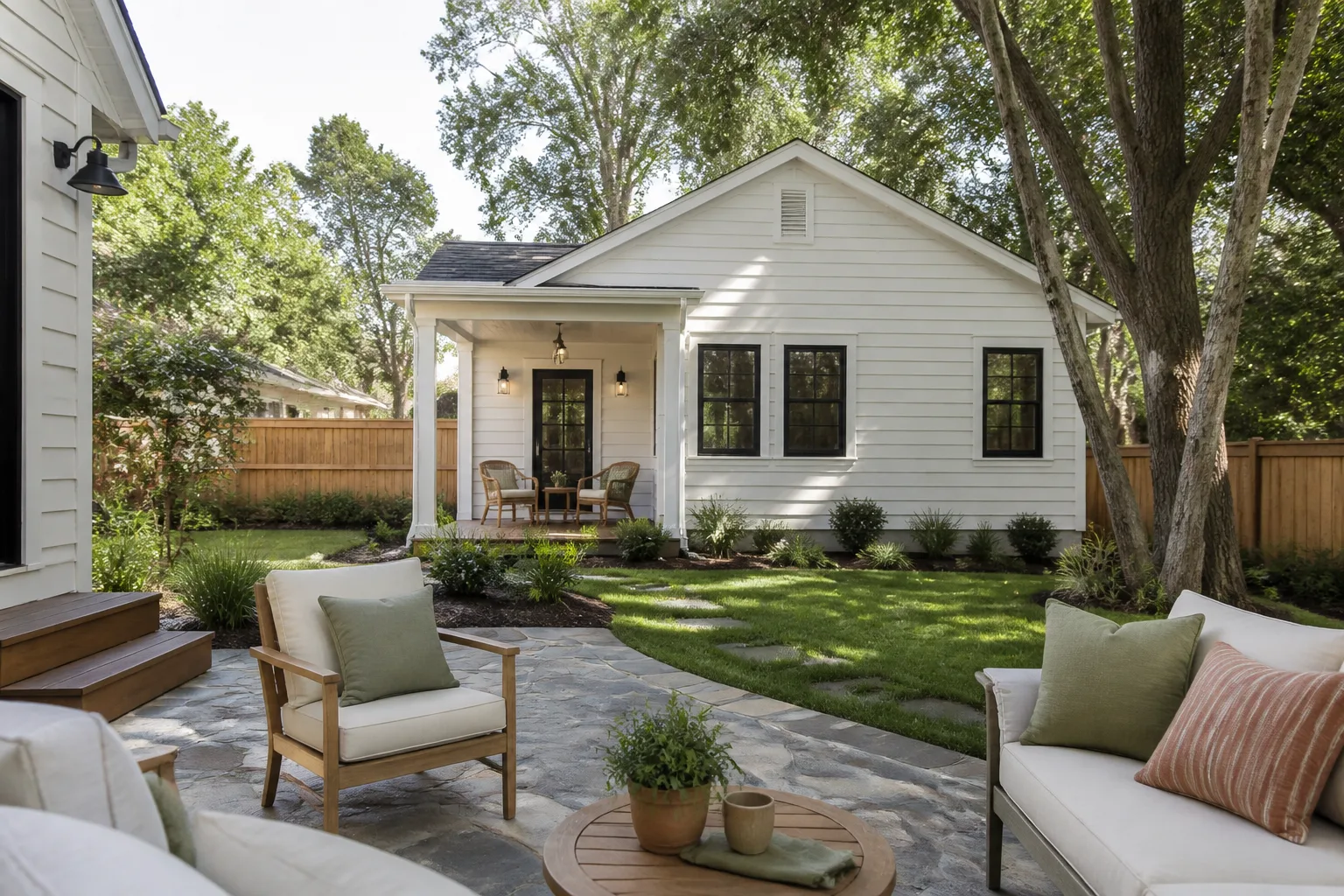
ViewLux home additions and ADUs fall into two broad categories: attached additions tied to the main structure and detached accessory dwelling units that stand on their own foundation. The compatibility question for any repair or rebuild hinges on the year it was built, because the framing and envelope standards shifted over time. Early ViewLux additions from the mid-2010s used standard dimensional lumber with traditional roof ties, while more recent builds use engineered I-joists and hurricane-rated connectors. The surest way to identify what you have is to look for the product label inside the access panel near the electrical subpanel or on the underside of the first floor joist, if accessible from a crawl space.
For OEM versus aftermarket decisions, you should know that ViewLux uses proprietary flashing profiles at the roof-to-wall transition on many models. Generic flashing from a big-box store often doesn’t match the profile, which means an aftermarket repair can leak again within a season. We keep OEM-spec flashing materials and can fabricate matching pieces on site when necessary. We’re an independent Jacksonville contractor, not affiliated with ViewLux, but we’ve worked on enough of these units across Duval County to know which fasteners and membranes hold up. Manufacturers like GAF and James Hardie supply much of the exterior envelope material on newer ViewLux builds, and we name those brands in writing so you can verify what’s going on your home.
Styles & brands we work with







Signs Your ViewLux Home Additions & ADU Is Failing
- A crack running in a straight line where the addition meets the original house. This usually means the two foundations are moving independently, often because the addition’s slab wasn’t tied with enough steel or the soil beneath it wasn’t compacted properly before pouring.
- Water staining on the ceiling near the roofline transition. The flashing where the new roof plane meets the old wall is the most common failure point in Jacksonville’s afternoon downpours. If the step flashing wasn’t woven correctly during the original install, water gets driven sideways by wind and finds a path in.
- A soft spot in the floor near the connection point. Moisture has been getting in somewhere, and the subfloor or joist is now compromised. In crawl-space additions, this often starts with a missing vapor barrier or undersized ventilation.
- Doors or windows in the addition that suddenly stick or won’t latch. Structural movement is shifting the rough openings. If the issue shows up in multiple openings at once, the movement is in the framing, not the door itself.
- A persistent musty smell inside a detached ADU. Florida humidity will find any gap in the envelope and condense inside wall cavities. This is often visible as swelling at the base of drywall or nail pops along the ceiling plane.
Any of these symptoms deserves a closer look. The earlier we can trace the cause, the less likely you’re facing a full rebuild instead of a targeted repair.
See the difference
 Before
 After
After Before
 After
After Before
 After
AfterReplacement Cost & What’s Included
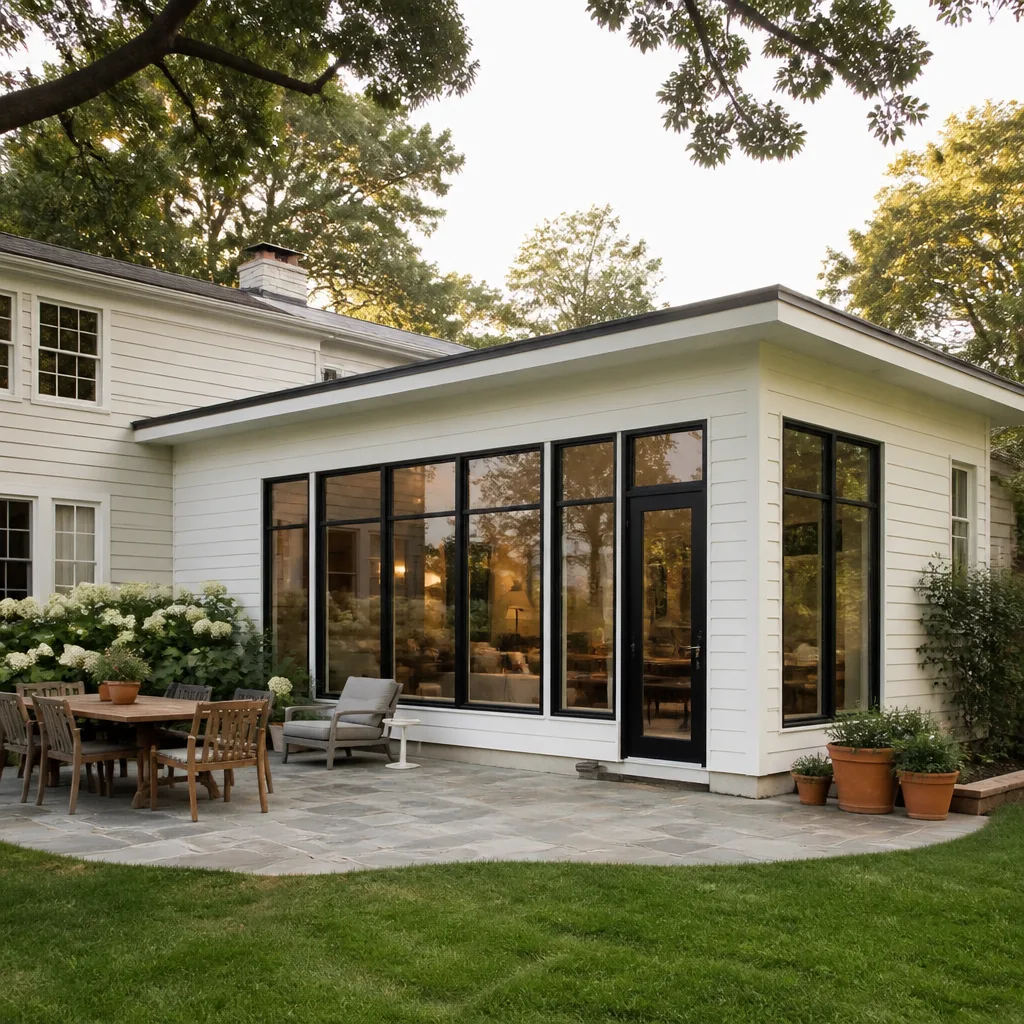
A full home addition or ADU rebuild in Jacksonville runs $45,000 to $130,000, and what you get at each end of that range comes down to a few factors: the size of the space, whether the foundation is sound or needs to be redone, whether the existing walls and roof can be salvaged, and the finish level you choose inside. A small 300-square-foot addition with basic finishes sits at the lower end. A larger 800-plus-square-foot ADU with a full kitchen and bath, new foundation, and hurricane-rated windows lands near the top.
On this page, you should also know the cost of adjacent projects that often come up when a ViewLux addition or ADU is repaired, because the work touches more than one trade. A kitchen inside a failed ADU might need a full rebuild, which runs $14,000 to $45,000. A bathroom in that same unit runs $9,000 to $28,000. Windows that need to match the updated envelope run $4,500 to $15,000. If the roof tie-in was the source of the failure, a full roof replacement on the addition runs $8,000 to $20,000. Every quote we give is a written price before any work starts, with the materials named and the labor broken into stages. There are no allowances that grow once the crew arrives.
We also apply our 365-Day Done Right Promise to every completed project: if something isn’t done right, we make it right. We’re one of the few Jacksonville remodeling contractors that writes that promise onto the scope instead of leaving it as a slogan.
DIY or Call Us?
What you can safely do yourself is look. Walk the perimeter after a heavy rain and check for standing water against the foundation, check the roof flashing visually from the ground with a pair of binoculars, and inspect the inside of the addition for any new cracks or water staining. Document what you see with photos and measurements.
What you shouldn’t do yourself is attempt structural repair, flashing replacement, roof work, or any electrical work inside the walls. A failed connection point on a home addition or ADU involves load-bearing framing, moisture management, and often older wiring that’s been damaged by water. Working on high areas of a roof or opening up load-bearing walls without engineering review is genuinely dangerous. Where there’s a question about pet-safe or low-VOC products inside a lived-in space, we make the selection before work starts so you’re not surprised. We’ll come out, inspect what’s happening, and give you a plain-language assessment. Call (904) 643-6243 and we’ll schedule it.
FAQs
A properly built addition or ADU in Jacksonville should last 40 to 60 years or more on the structural side, but the roof and flashing connections typically need attention every 15 to 20 years because of Florida’s heat, UV exposure, and storm-driven rain. The most common early failures we see are at the roof-to-wall transition and the foundation connection, not in the framing lumber itself. Call (904) 643-6243 for an assessment if you’re seeing cracks or water staining.
Most failures can be repaired rather than rebuilt, especially if the issue is flashing, a localized soft spot in the floor, or a cosmetic crack that hasn’t moved. A full rebuild is only indicated when the foundation has settled significantly or when moisture has compromised more than a quarter of the framing. We’ll tell you straight which path you’re on and show you the evidence behind the recommendation.
A targeted repair like a flashing replacement or a floor section rebuild typically takes three to ten working days. A foundation repair or a full structural correction can run four to eight weeks depending on engineering review and permitting. We always name the expected timeline in writing before any work starts, and we coordinate dumpster placement and quiet work hours with your family’s schedule. Call us at (904) 643-6243 for a specific timeline on your project.
We stock the common flashing profiles, hurricane-rated connectors, and moisture barrier materials that match ViewLux construction, and we can fabricate custom flashing pieces in the field when the profile is no longer manufactured. For finish materials inside the space, like flooring or cabinetry, we work with named brands including KraftMaid, Cambria, and Silestone, so you can look up the warranty and specifications yourself before making a decision.
Written by Graham Stein, Owner, Elmstead Remodeling Jacksonville at Elmstead Remodeling Jacksonville, serving Jacksonville and nearby areas.


