
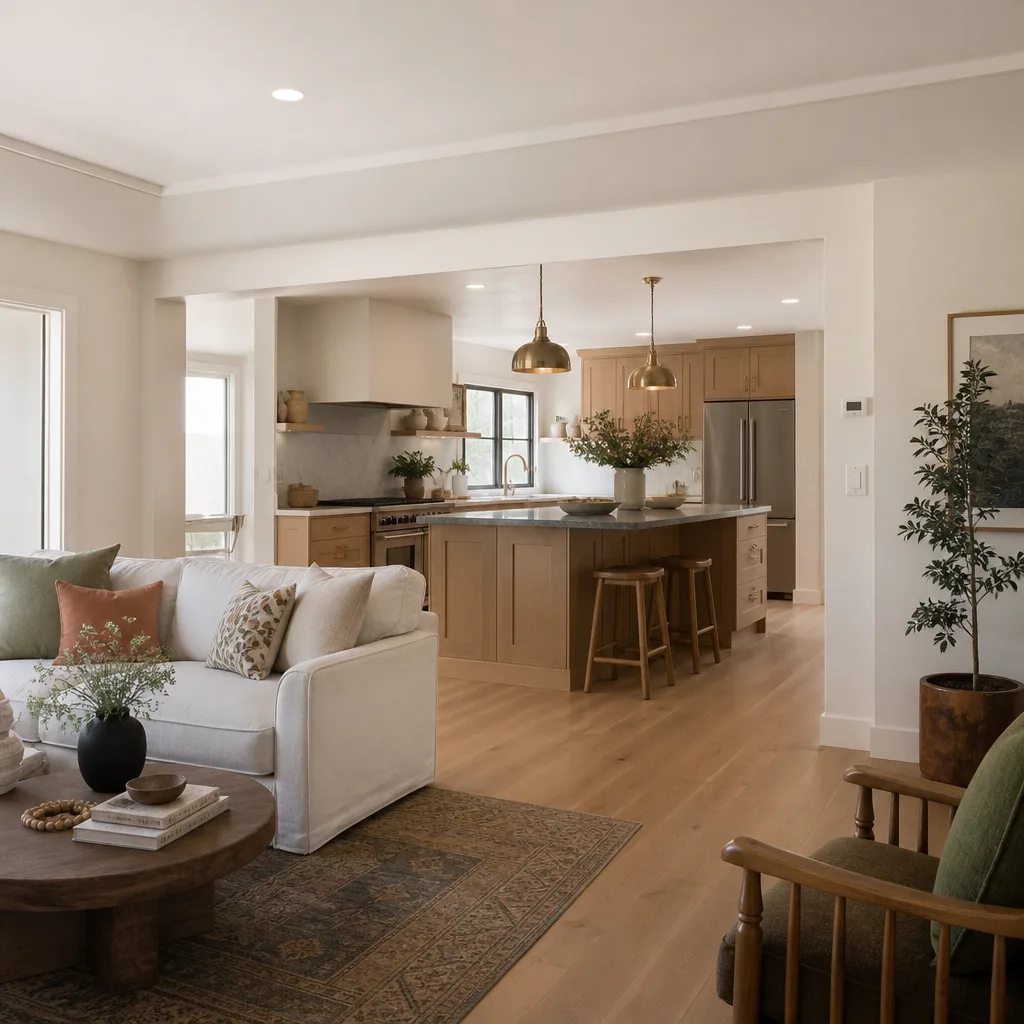
Free written scope consultation - allowances, timeline, and change-order rules on paper before a single trade is scheduled
Cambridge Pavers Kitchen Remodeling: The Jacksonville Owner’s Guide
If you have Cambridge Pavers products in or around your kitchen and something has failed, we can help. A Cambridge Pavers kitchen remodeling project in Jacksonville typically runs $14,000 – $45,000 installed, depending on how much of the kitchen is being rebuilt and which pavers, surfaces, cabinets, or fixtures are involved. We stock Cambridge Pavers-compatible materials and install them with a written price before any work starts. Most Jacksonville homeowners call us after noticing cracked pavers, shifting surfaces, water pooling where it didn’t before, or grout and joint material breaking down around a Cambridge Pavers installation that was done years ago.
Pavers in a kitchen context usually mean a paver floor, a paver accent wall, or a paver transition area between the kitchen and an outdoor space. When one section fails, the problem tends to spread. A cracked paver lets water in, the base underneath erodes, and within a season you’re seeing more movement. Or a failed joint lets sand wash out, and the pavers start shifting against each other. We walk Jacksonville kitchens every week where the owner thought the original install would last forever, and the real culprit was Jacksonville’s sandy soil, heavy summer rain, and the freeze-and-settle cycle nobody warns you about. Let’s get specific about what to look for and what the fix costs.
Which Cambridge Pavers Models This Applies To
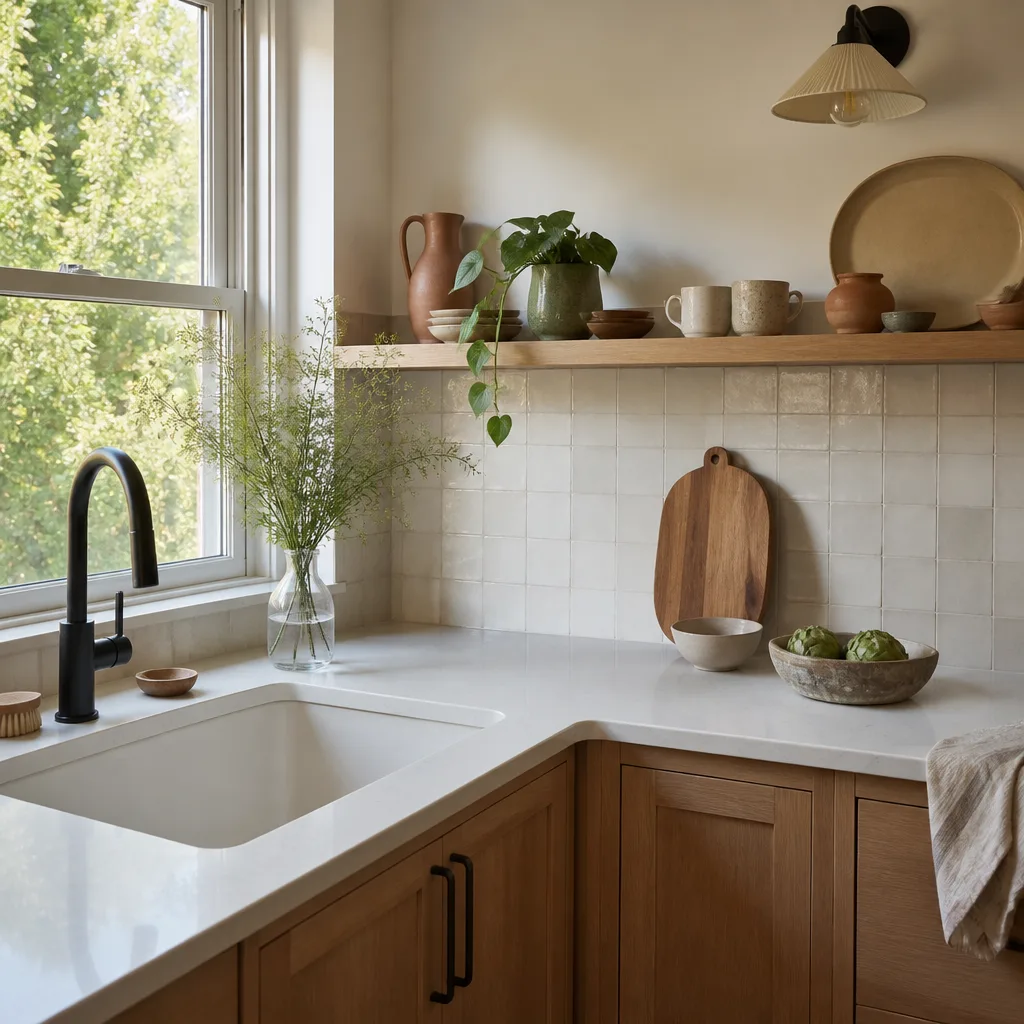
Cambridge Pavers manufactures several paver lines, and the right replacement strategy depends on which one you have. The most common lines we see in Jacksonville kitchens and adjacent patio transitions are the Ledgestone, Maytrx, and Pavingstone collections. Ledgestone pavers are thinner and designed for vertical or accent applications. Maytrx and Pavingstone are thicker, interlocking pavers built for floors and walkways. The thickness is the first compatibility check: a kitchen floor paver is usually 60mm or 80mm thick, while an accent wall paver is often 30mm to 40mm. Mixing thicknesses on the same surface creates a lip that catches chair legs and bare feet.
Here’s the gotcha most Jacksonville homeowners run into: Cambridge Pavers changes dye lots between production runs. A paver you buy today will not be a perfect color match for a paver installed six years ago, even if the product name is identical. Sun exposure, foot traffic, and cleaning products also shift the surface color over time. We handle this by blending new pavers with existing ones from an inconspicuous area, or by replacing a defined section with a deliberate transition line so the color shift reads as intentional design rather than a patch job. If you open a cabinet and find the original paver box or receipt, take a photo of the label. It’ll show the product line, color name, and plant code, which tells us exactly what to source. Cambridge uses an alphanumeric code on the underside of most pavers too, which we can cross-reference during the estimate.
One more thing worth knowing: Elmstead Remodeling Jacksonville is an independent remodeling contractor, not affiliated with Cambridge Pavers. We install Cambridge-compatible products and also work with other named brands like KraftMaid, Cambria, and Silestone when a kitchen rebuild involves more than just pavers. That independence means we’ll tell you honestly whether a paver can be repaired or needs full replacement, because we’re not trying to protect a manufacturer’s warranty claim on your behalf.
Styles & brands we work with







Signs Your Cambridge Pavers Kitchen Remodeling Is Failing
- Cracks running through multiple pavers in a line. This usually means the base underneath is failing, not just the paver itself. In Jacksonville, sandy soil settles unevenly, and a paver crack that follows a straight line often traces a settling joint in the slab or base below.
- Water pooling around the paver surface after rain or mopping. Pavers should shed water. If water sits, the slope has flattened or the base has washed out. In a kitchen, standing water is also a slip hazard, which matters when you’re carrying a hot pan.
- Pavers rocking underfoot. A paver that tips when you step on one edge has lost its bedding layer. This is the earliest sign of base erosion, and it spreads. The neighboring pavers start working loose within months.
- Sand or joint material washing out between pavers. After heavy Jacksonville rain, look for sandy residue around the edges of the paver surface. If the joint material is leaving, water is getting in, and the whole system loses its interlock.
- Color fading or salt blooming that won’t clean off. White, chalky residue on the paver surface is efflorescence, moisture pulling minerals up through the paver. It’s cosmetic, but it signals that moisture is moving through the pavers in a way it shouldn’t.
See the difference
 Before
 After
After Before
 After
After Before
 After
AfterReplacement Cost & What’s Included
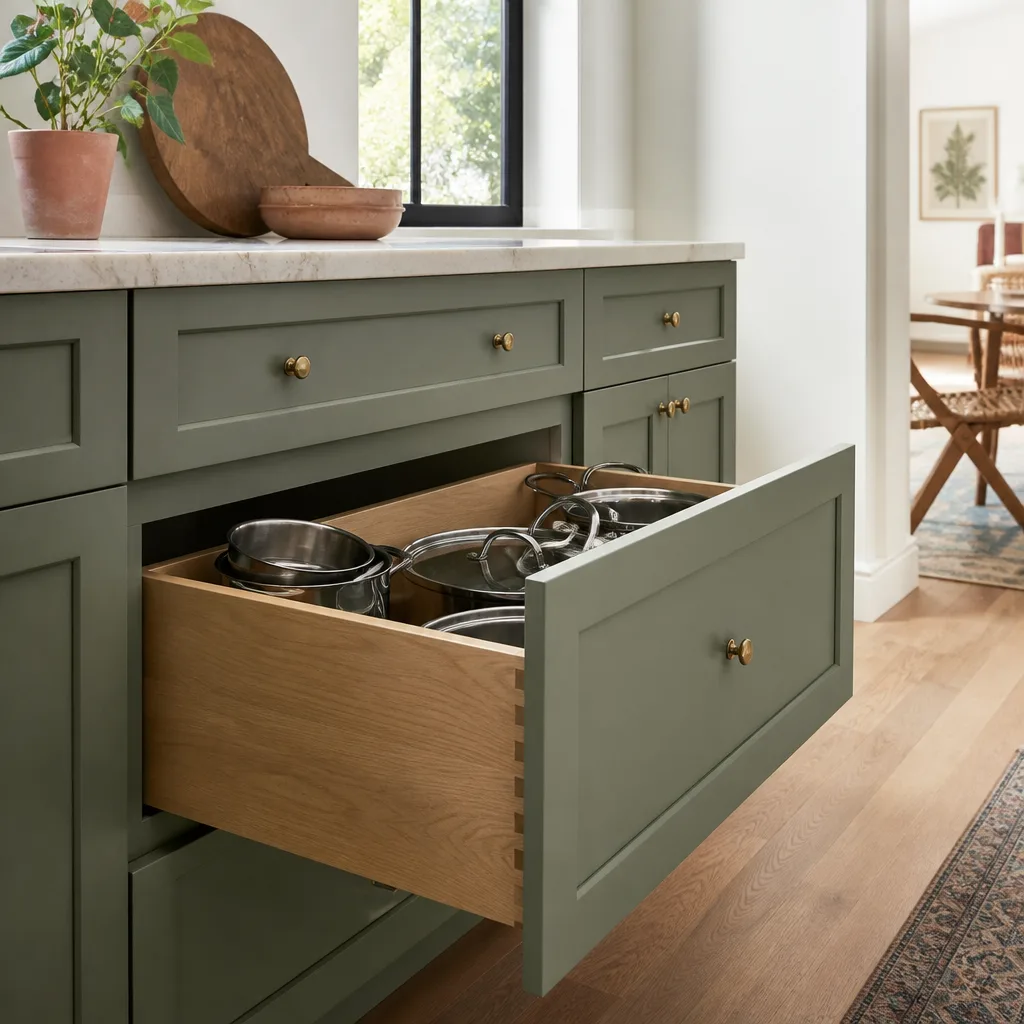
A Cambridge Pavers kitchen remodeling project in Jacksonville falls in the $14,000 – $45,000 range, and the spread is driven by how much of the kitchen we’re rebuilding. If the job is a paver floor replacement only, with the existing base still sound, you’re looking at the lower end of the range. If the base has failed and we’re excavating, installing new base material, re-setting pavers, and also replacing cabinets or counters that were damaged by moisture, the project climbs quickly. Here’s what we quote, in writing, before any work starts:
- Paver floor replacement (kitchen, existing base intact): $14,000 – $22,000
- Paver floor replacement with full base rebuild: $20,000 – $32,000
- Full kitchen remodel including Cambridge Paver floor, cabinets, countertops: $30,000 – $45,000
- Paver accent wall or backsplash area: $4,000 – $9,000
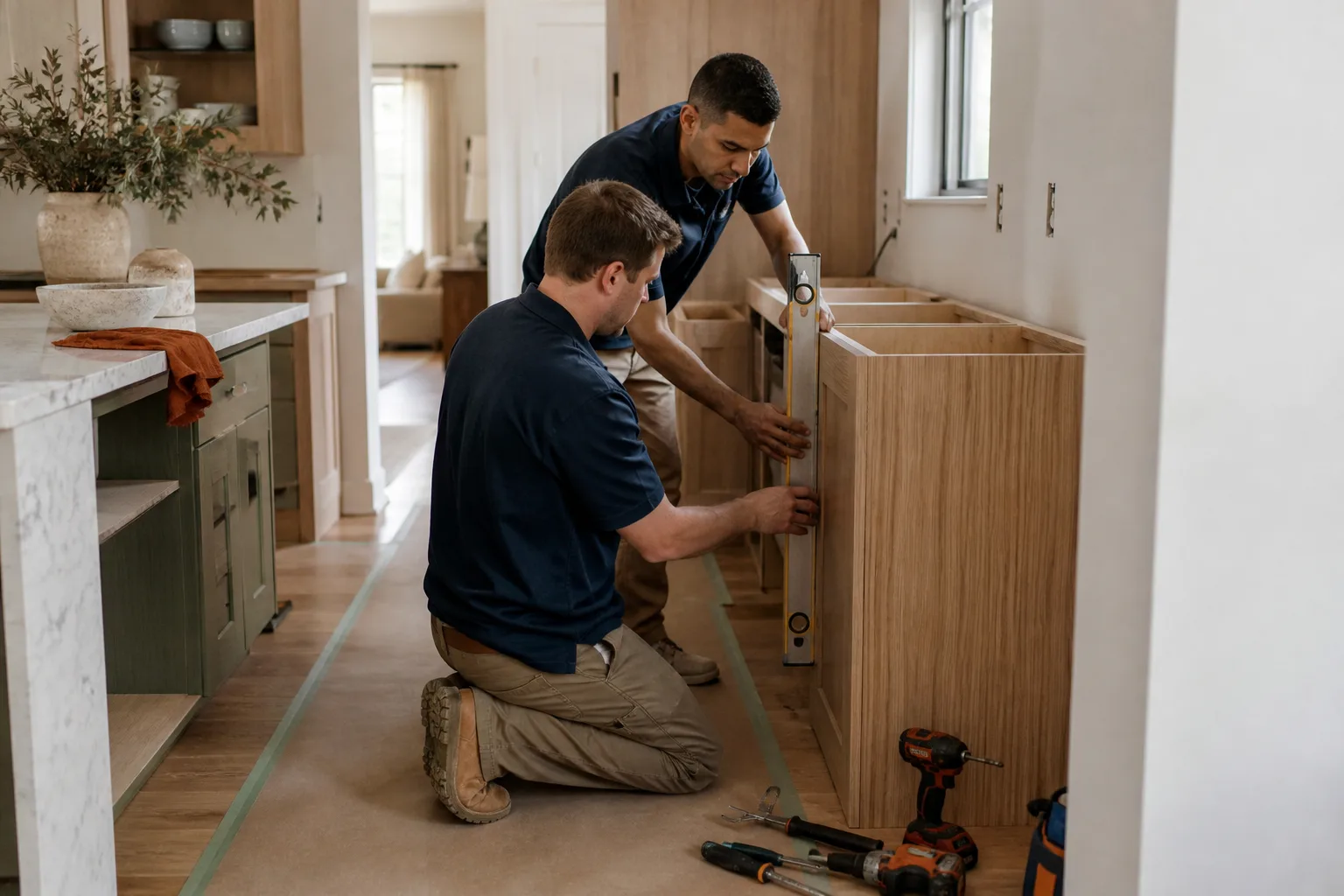
The written price covers materials, labor, demolition and haul-away of the failed pavers, base material, joint sand or polymeric joint compound, and a photo of the clean-up before our crew leaves. We pull any permits Jacksonville requires and we don’t add change orders once the scope is set unless you ask for something different mid-project. Every Cambridge Pavers kitchen project we complete is covered by our 365-Day Done Right Promise: if it’s not done right, we make it right.
DIY or Call Us?
Pavers are not a high-tension part like a garage door spring, so the danger here isn’t the part itself. The danger is what you can’t see under the surface. A homeowner can safely check the obvious things: look for cracked or rocking pavers, check whether joint sand is washing out, and feel for a lip between the paver surface and the adjacent flooring. But re-setting a paver floor in a kitchen requires removing enough of the surface to inspect the base, and if the base has failed, the repair is excavation and rebuild work. That’s a permit-triggering project in some Jacksonville neighborhoods, and doing it wrong means the new pavers fail the same way in two years. Our crew handles the whole job with shoe covers and drop cloths down before the first paver comes up, quiet tools during family rest hours where possible, and pet-safe products where there is a choice. If you’re not sure what you’re looking at, call (904) 643-6243 and we’ll take a look.
FAQs
How long do Cambridge Pavers last in a Jacksonville kitchen?
Cambridge Pavers installed over a properly compacted base in Jacksonville typically last 25 – 30 years before the paver itself degrades, but the base underneath often needs attention at the 10 – 15 year mark due to our sandy soil and heavy seasonal rain. The paver is rarely the first thing to fail; the base is. If your pavers are failing at year seven or eight, something was wrong with the original base prep, not the paver. Call (904) 643-6243 and we’ll tell you honestly which it is.
Can a cracked Cambridge Paver be repaired instead of replaced?
A single cracked paver can be replaced if the base underneath is still sound, and we do that kind of spot repair regularly. If the crack runs through multiple pavers in a line, the base is almost certainly the problem, and patching the surface will fail again. The repair-versus-replace call comes down to what we find when we lift the first paver, and we’ll show you what we see before we quote either path.
How long does a Cambridge Pavers kitchen remodel take?
A paver floor replacement in a Jacksonville kitchen typically takes one to two weeks from tear-out to final joint sand and clean-up, depending on whether the base gets rebuilt and how much of the kitchen we’re working around. We’ll name the day the crew arrives and the day the dumpster leaves before you sign anything. Call (904) 643-6243 to get a written timeline for your specific kitchen.
Do you stock Cambridge Pavers or do you order them?
We keep common Cambridge Pavers lines in stock for spot repairs, and we order specific colors and thicknesses direct from the supplier when the job needs a full floor replacement. Stock on the truck is for the quick fixes; anything involving a dye-lot match gets sourced fresh so the color is as close as the current production run allows. If you have the original paver box or label, bring it to the first walk-through and it saves us a step.
If you have a Cambridge Pavers kitchen surface that’s cracking, rocking, or holding water, call (904) 643-6243 to schedule a free estimate. We’ll walk the kitchen with you, name the materials and the day, and hand you a written price before any work starts. Name the material, name the day, name the price – then there is nothing left to wonder about. Graham Stein leads our Jacksonville crew, and he writes every scope in plain language so you can read the estimate without calling to ask what anything means.
Written by Graham Stein, Owner, Elmstead Remodeling Jacksonville at Elmstead Remodeling Jacksonville, serving Jacksonville and nearby areas.


