
Free written scope consultation - allowances, timeline, and change-order rules on paper before a single trade is scheduled
Cover Home Additions & ADU: The Jacksonville Owner’s Guide
If you own a Cover home and are planning an addition or ADU in Jacksonville, you’re likely looking at $45,000 – $130,000 for a home addition and $90,000 – $220,000 for a detached ADU, depending on site conditions, foundation work, and the age of your existing structure. Most Cover homes we work on in Jacksonville were built to specific panelized specs, which means the framing, tie-ins, and roofline transitions require a crew that has actually opened up a Cover wall before. We’re Elmstead Remodeling Jacksonville, an independent contractor, not affiliated with Cover, and we’ve done enough of these to know what the factory got right and where the original installation typically gets loose over a decade of Florida humidity. The most common call we get starts with a homeowner noticing a hairline crack at a wall-to-ceiling seam, a door that suddenly won’t latch, or a floor that feels soft near the original addition tie-in.
Key takeaways:
- Cover home additions in Jacksonville run $45,000 – $130,000; ADUs run $90,000 – $220,000.
- The written price comes before any work starts. Always. No allowances that quietly grow.
- We name the materials, the day the dumpster arrives, and the price. Then there’s nothing left to wonder about.
- Every Cover addition or ADU we build is covered by our 365-Day Done Right Promise.
Which Cover Models This Applies To
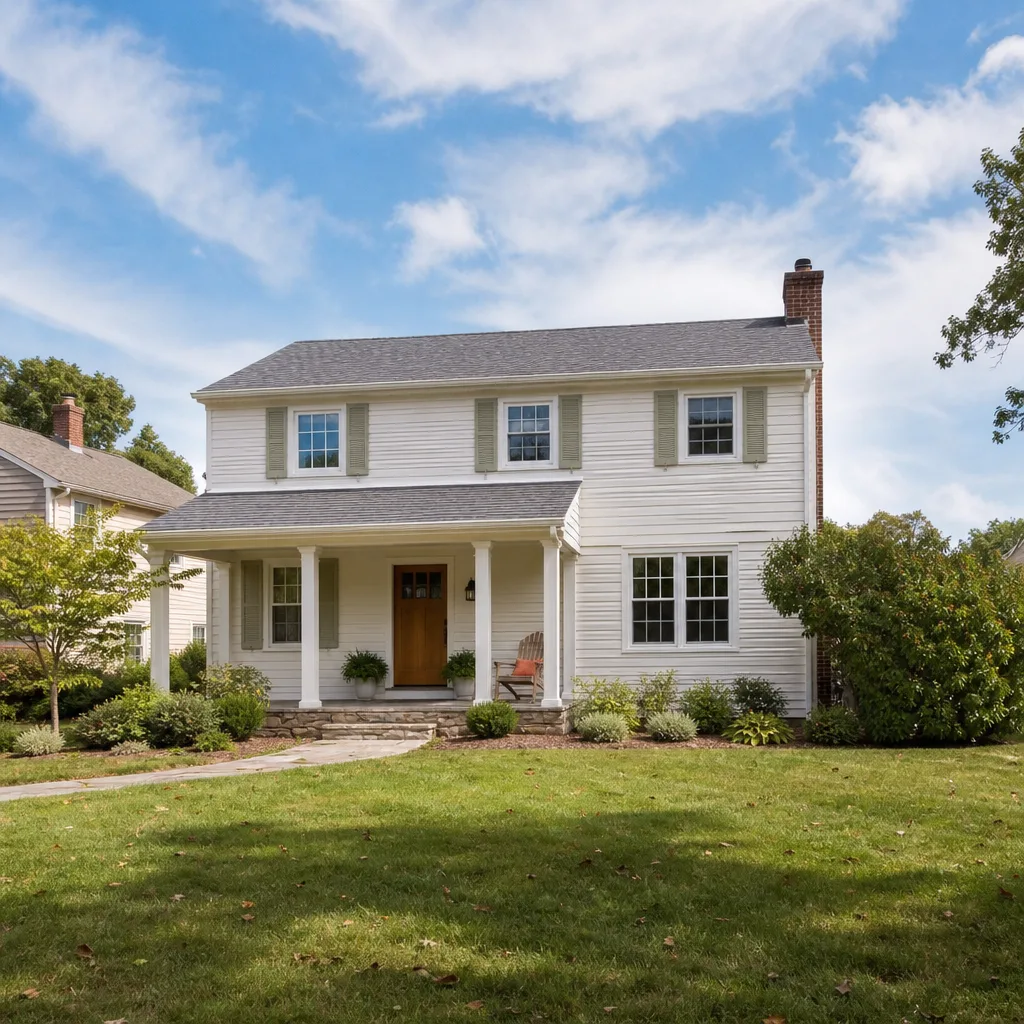
Cover builds panelized homes, which means the wall, floor, and roof sections arrive on a truck and get assembled on-site. The version of your Cover home matters more than most owners realize. Earlier Cover models in Jacksonville tend to use 2×4 exterior wall panels with a thinner sheathing profile, while newer builds commonly spec 2×6 panels with a higher R-value insulation cavity. If you’re adding square footage, we need to know exactly which panel spec your home uses, because the new framing has to match the existing wall depth or you’ll end up with awkward interior ledges and trim that fights you at every corner. The panel label is usually stamped on the inside face of the top plate in the attic or crawl space, or on the original delivery manifest if you kept it. A photo of that label helps us match the addition to your home’s factory tolerances within about half an inch.
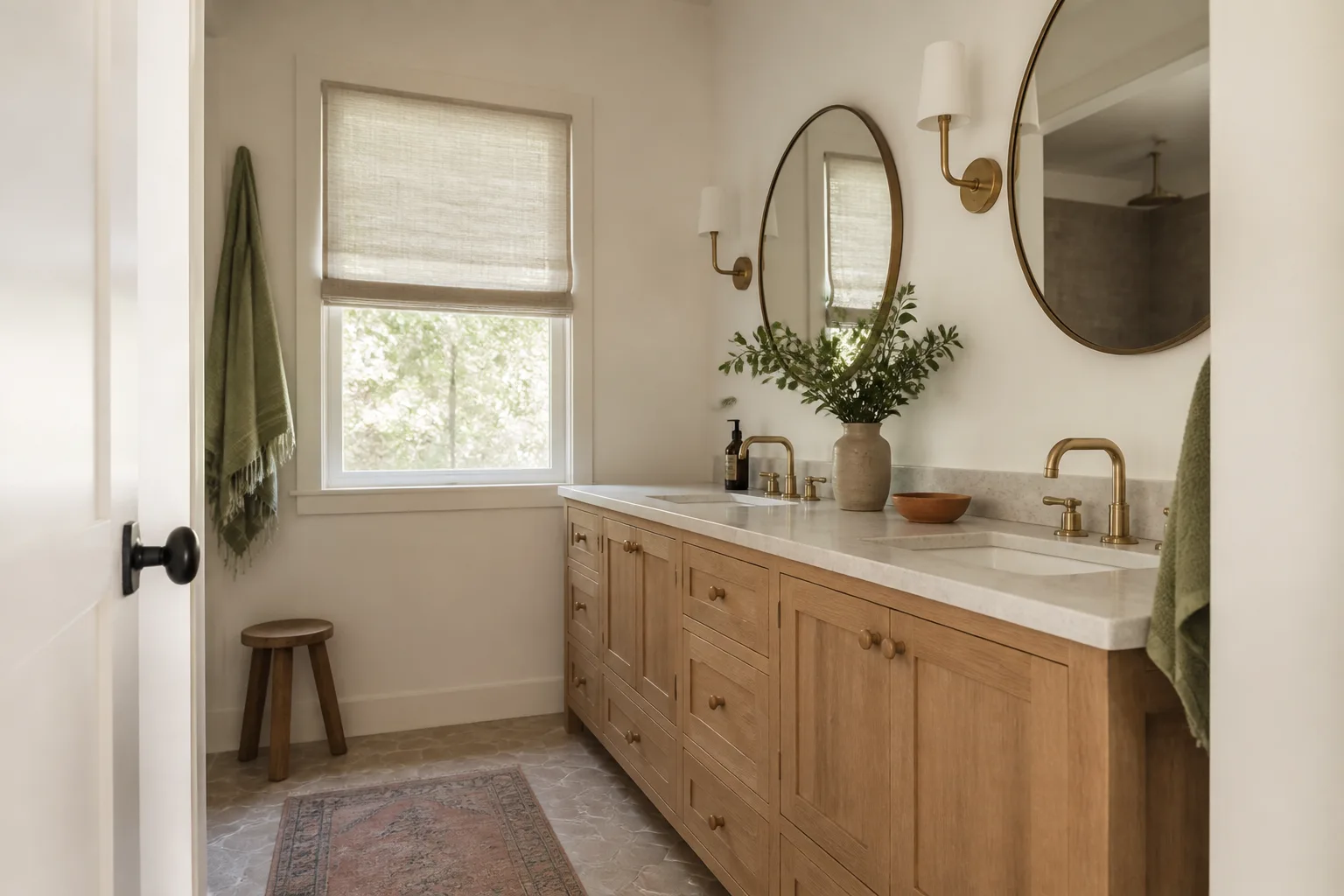
When it comes to OEM Cover parts versus aftermarket equivalents, the honest answer is that Cover does not sell replacement panels to independent contractors. We build the addition framing on-site to match your existing Cover dimensions using the same spec lumber, sheathing, and fastening schedule. For interior finishes, we default to named brands you can research yourself: KraftMaid or Wellborn cabinets, Cambria or Silestone countertops, Kohler or Moen fixtures. Those brands carry their own manufacturer warranties, and that travels with the finished project.
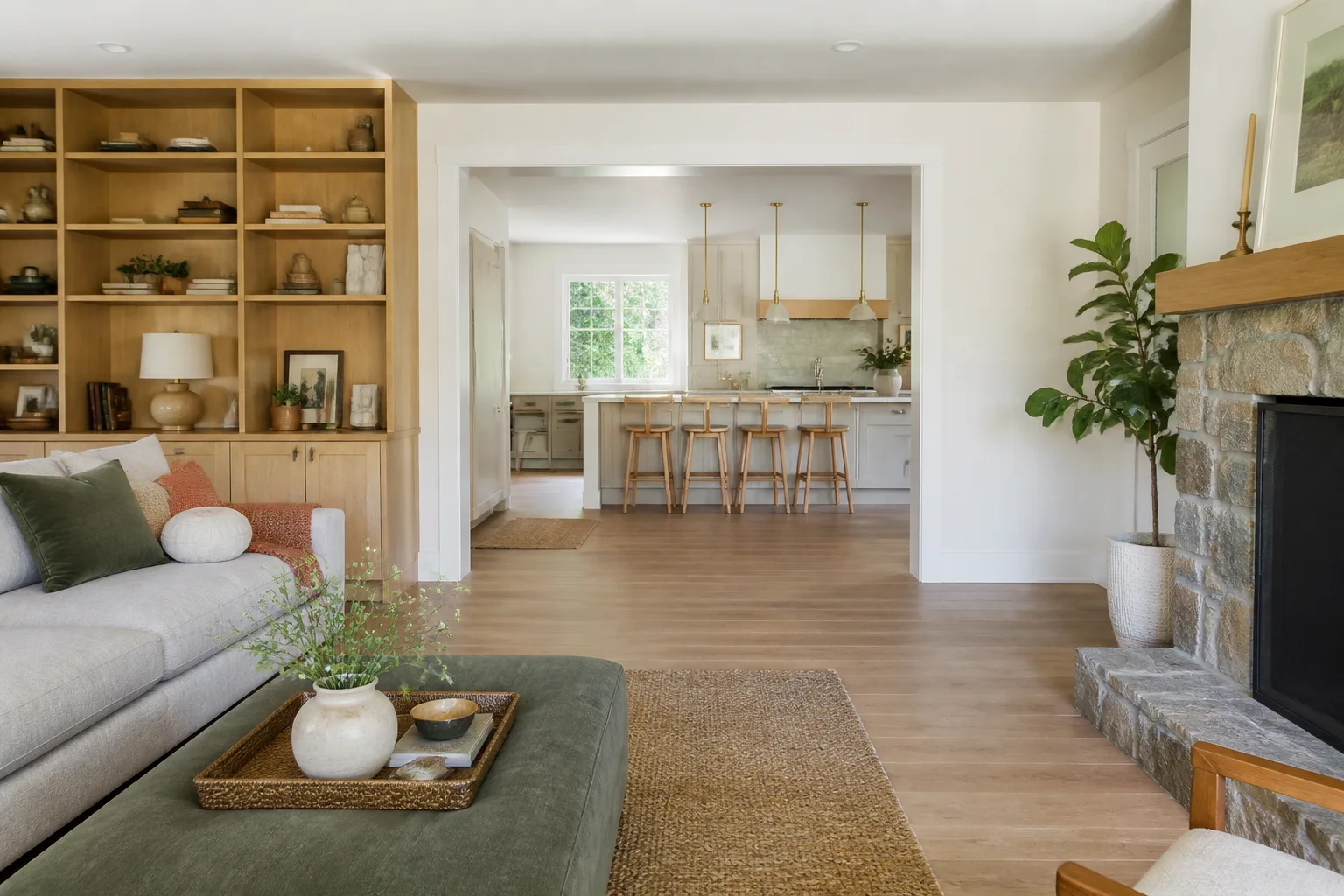
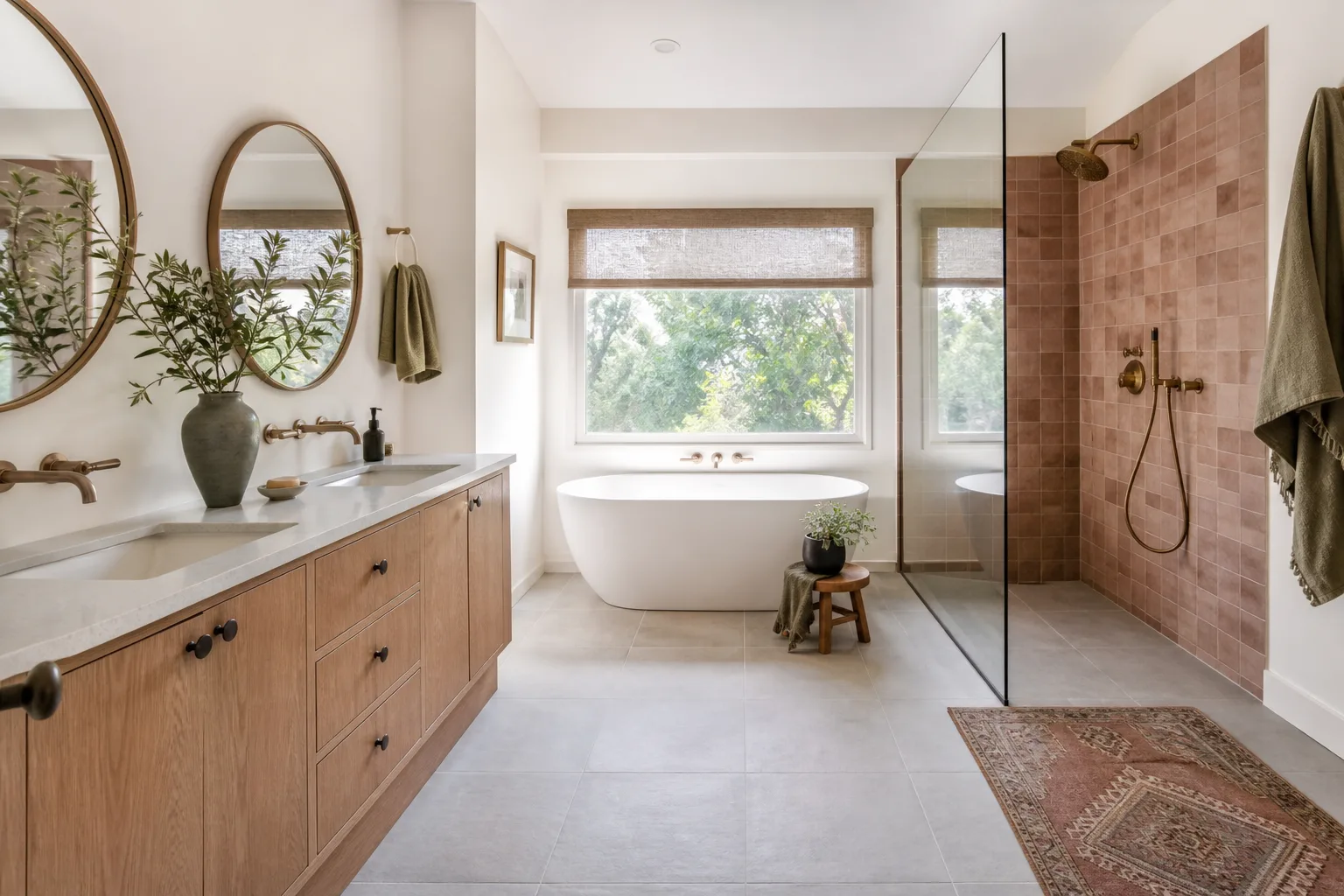
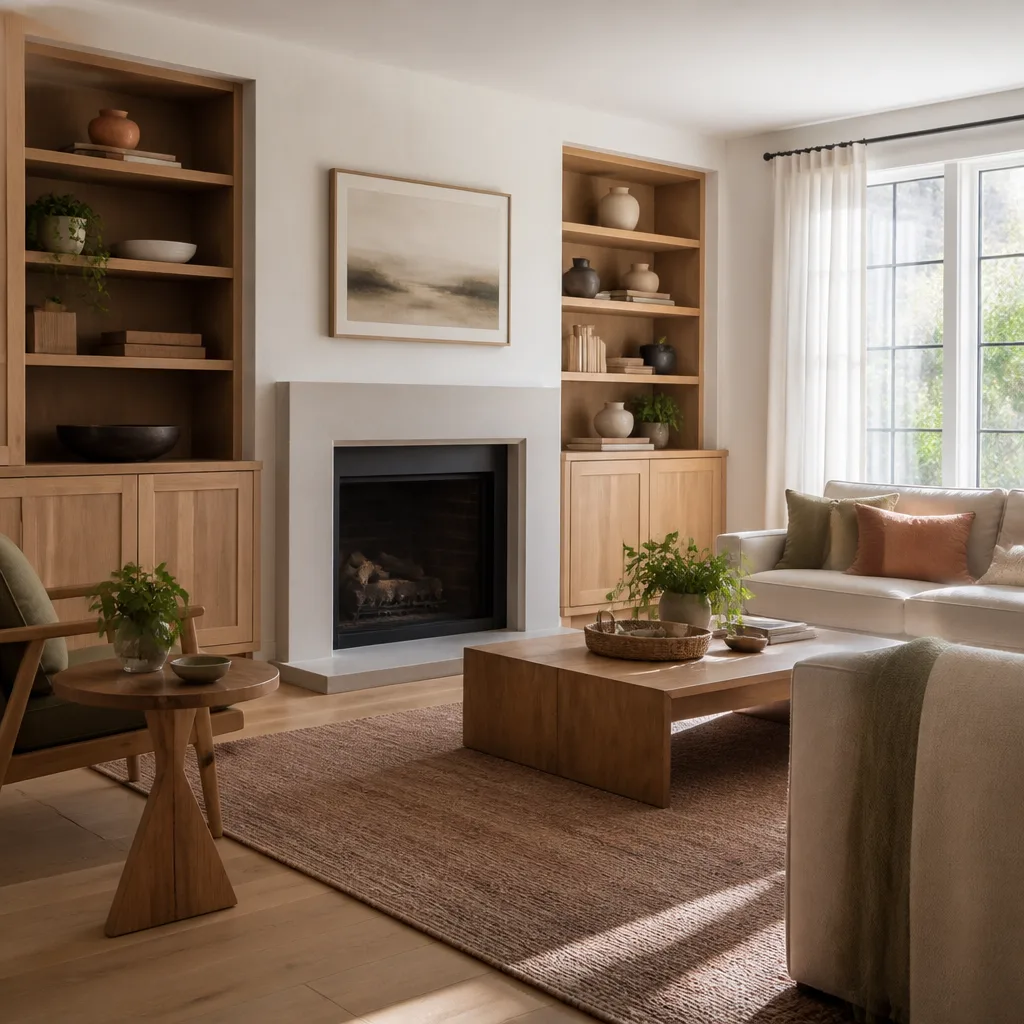
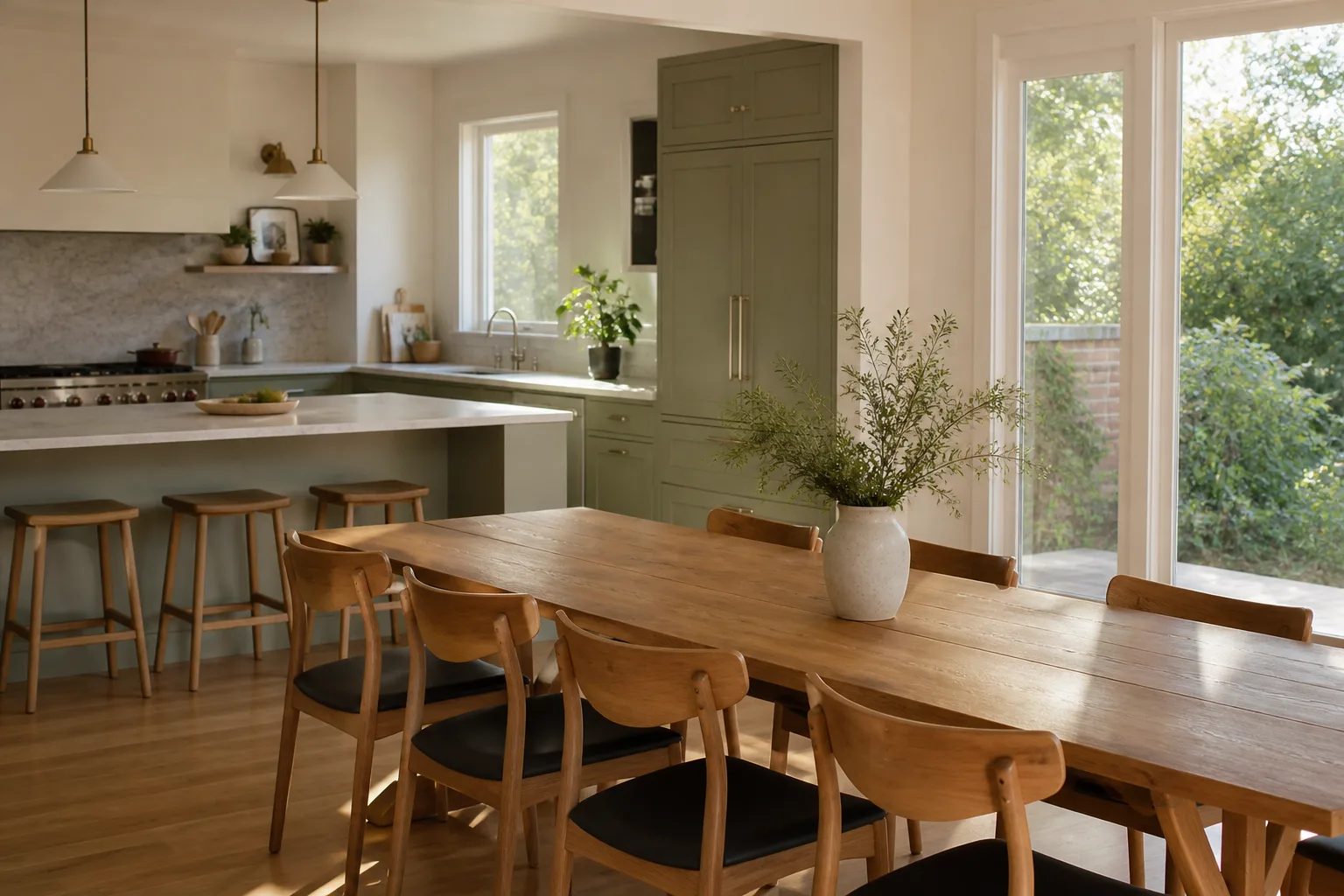
Styles & brands we work with







Signs Your Cover Home Additions & ADU Is Failing
- Hairline cracks at the wall-to-ceiling seam near corners. Cover panel joints move differently than traditional stick-framed corners, and a crack at a corner seam usually means the original fastening schedule has worked loose or the sill plate has settled. It’s often cosmetic but worth looking at before you commit to new flooring or paint.
- Doors that latch fine in winter and stick in summer. Jacksonville’s humidity cycles cause panel expansion and contraction, and a door that binds seasonally is telling you the framing around the opening has shifted. It’s rarely the door slab; it’s the rough opening doing what the original installer didn’t account for.
- A soft or springy floor near the original structure’s edge. If you’re walking across a Cover home and feel a subtle bounce where the original panel ends, that’s often a rim joist or blocking detail that needs attention before any addition work starts on top of it.
- Visible rust on exterior fasteners or panel connectors. Salt air near the St. Johns River and the beaches accelerates corrosion on exposed metal. Once connectors start rusting, the connection between panel and foundation weakens, and that’s a structural issue, not a cosmetic one.
- Window frames pulling away from the wall panel. In Cover homes, windows are set into pre-cut panel openings. If the frame is separating from the panel face, that’s usually a seal failure plus panel movement. It’s a water intrusion risk in Jacksonville’s rainy season, and you don’t want to find out about it during a summer thunderstorm.
See the difference
 Before
 After
After Before
 After
After Before
 After
AfterReplacement Cost & What’s Included
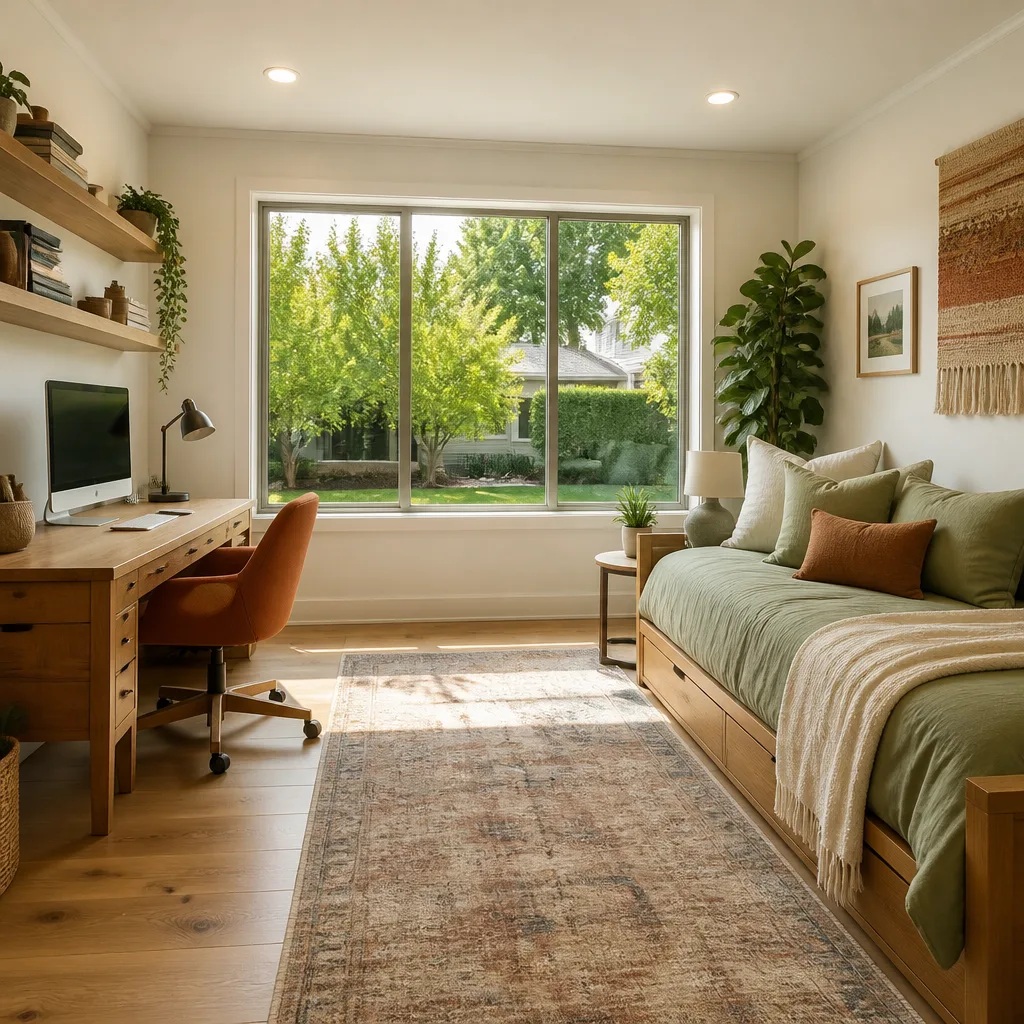
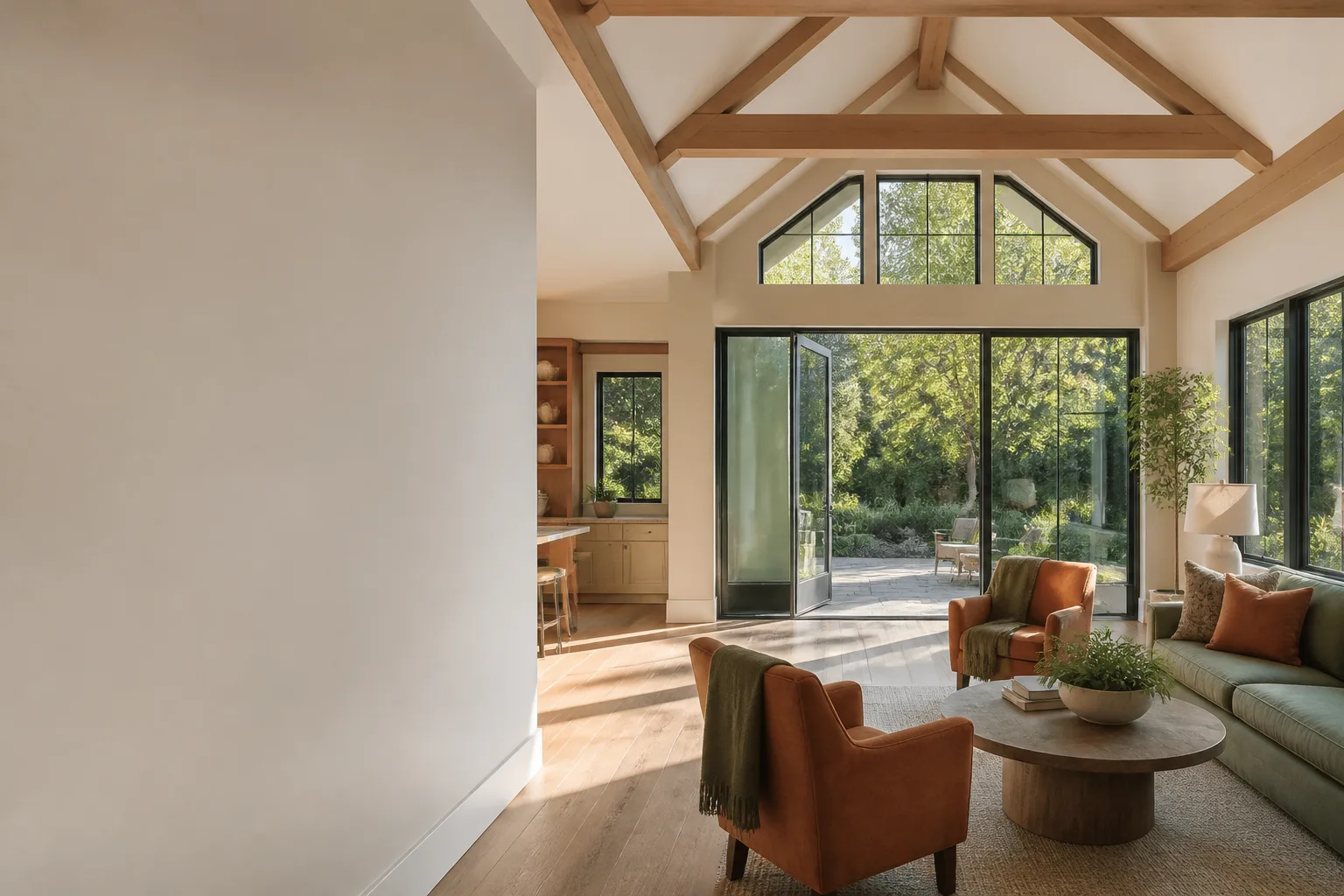
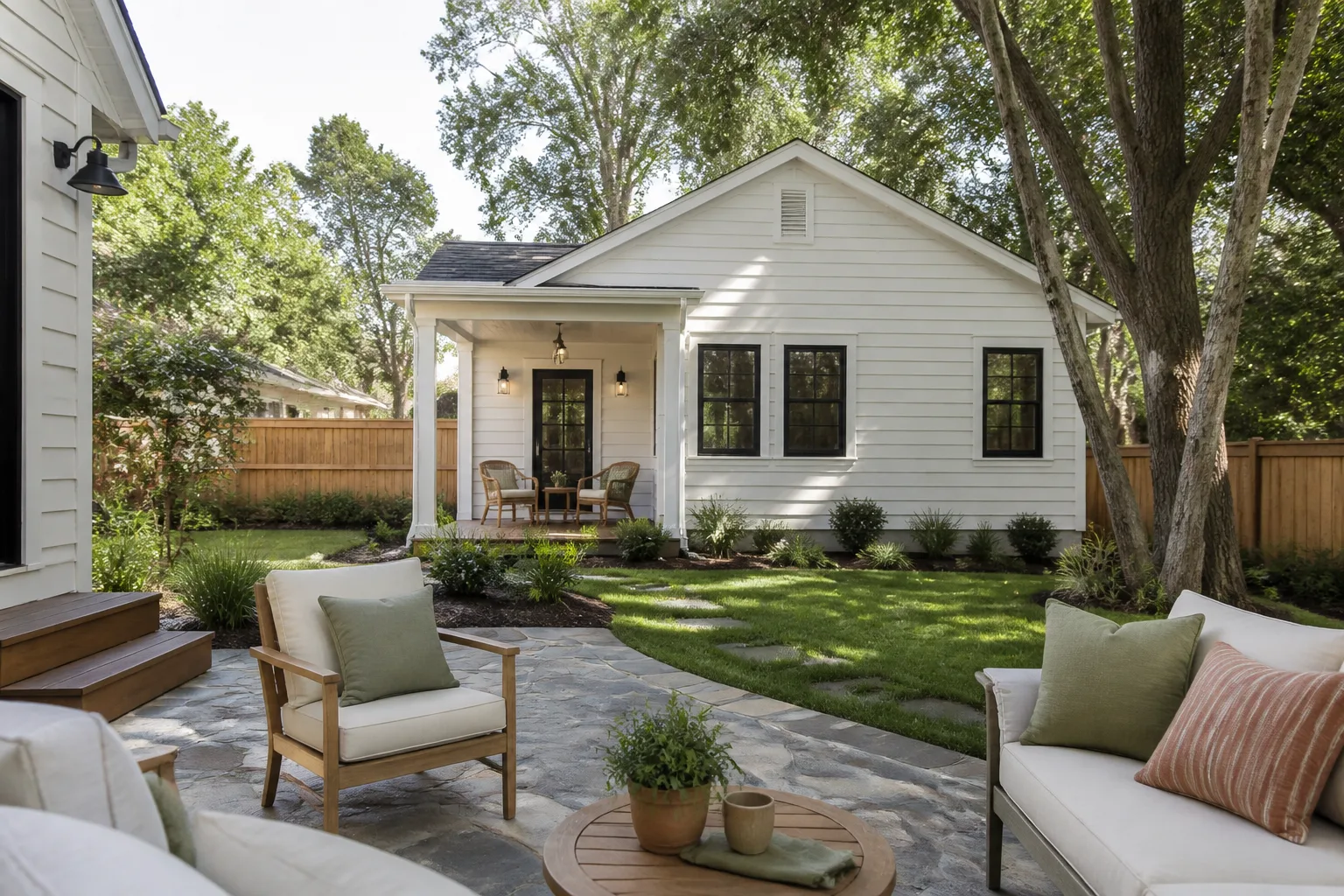
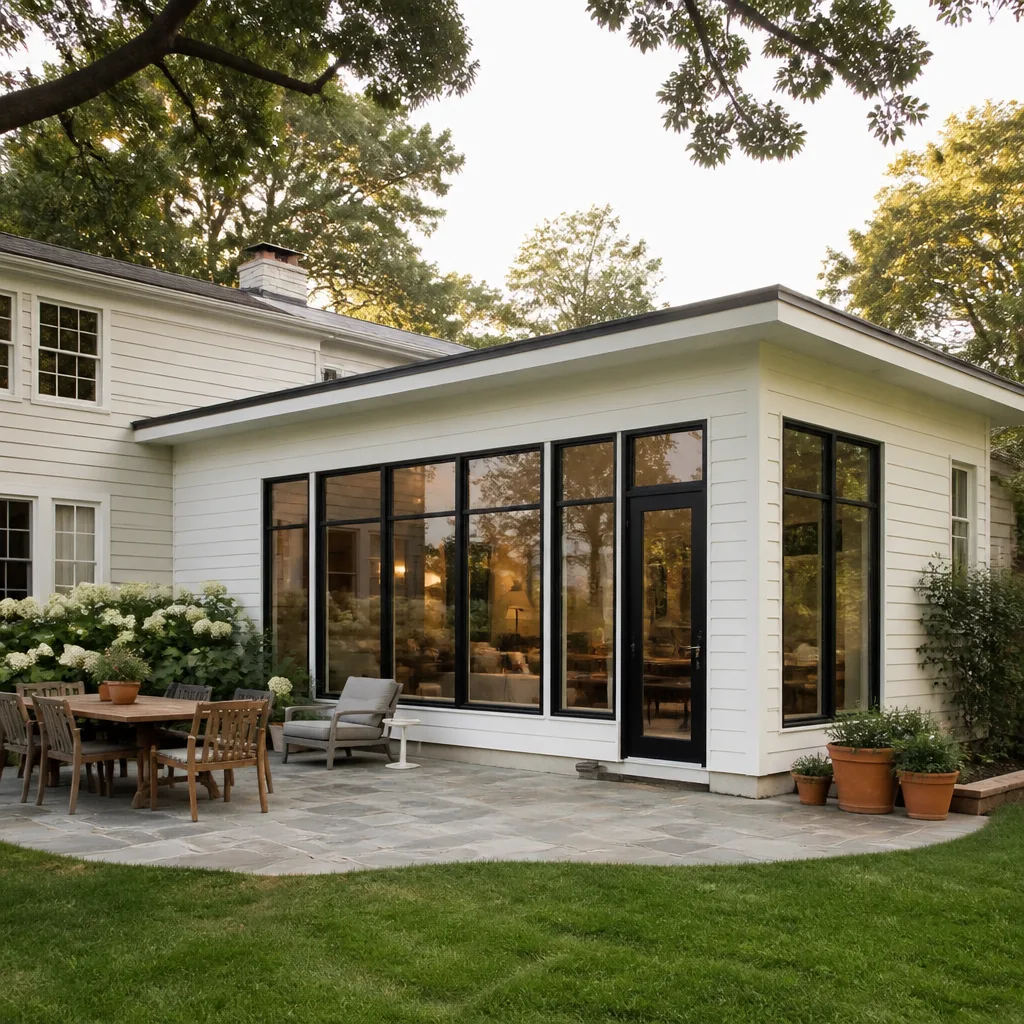
Home additions in Jacksonville typically run $45,000 – $130,000, and detached ADUs run $90,000 – $220,000. The spread comes down to three things: foundation type (slab versus raised), the distance from your existing Cover home to the new structure, and whether the addition ties into the existing roof or gets its own roof line. A 400-square-foot addition with a simple gable roof and a crawl space will sit at the lower end. A 900-square-foot ADU with a kitchen, full bath, and its own utility connection sits at the upper end.
Every estimate includes the written price before any work starts. That price names the materials, breaks the labor into stages, and has no allowance line items. If we find something unexpected when we open the wall, we stop, we call you, we explain the number in plain language, and we don’t move forward until you say so. The 365-Day Done Right Promise is stamped on every project: if it’s not done right, we make it right. The crew wears shoe covers inside your home, lays down drop cloths before the first tool comes off the truck, and sends you a photo of the clean-up before we leave each day. Quiet tools during children’s sleep hours where we can, pet-safe product choices where there’s a choice.
DIY or Call Us?
There’s a real difference between a cosmetic patch and a structural repair on a Cover home, and the line is usually right at the panel connection. You can safely caulk a hairline crack at a corner seam, check for loose trim, and watch whether a sticking door gets better or worse with the seasons. What you should not do is cut into a Cover wall panel without understanding what’s behind it. The panels carry shear loads, and cutting a panel opening without transferring that load can compromise the structure. That’s not a scare tactic; it’s the same thing we’d tell a neighbor over the fence. The same goes for any roof tie-in work. Jacksonville’s high-wind zones mean any new roofline has to meet current Florida Building Code uplift requirements, and that’s not a weekend project with a circular saw.
If the symptom is new, small, and cosmetic, watch it. If it’s soft floors, rusted connectors, or windows pulling free, call us at (904) 643-6243 and we’ll come look at it. The estimate is free, and the written price you get is the price you’ll pay.
FAQs
A properly tied-in Cover addition should last as long as the original home structure; the limiting factor in Jacksonville is moisture management at the transition point. We build for that by using the same panel depth as your existing Cover spec, flashing every seam, and using corrosion-resistant connectors rated for Florida’s salt air. Call (904) 643-6243 to schedule a free estimate and we’ll walk the tie-in point with you.
Yes, many Cover addition problems are repairable: loose fasteners, rusted connectors, failed flashing, and settled foundations can often be corrected without a full rebuild. The repair decision depends on what we find when we open the wall or floor, and you’ll get a written price for the repair before any work starts. Call (904) 643-6243 for an exact quote.
A typical home addition takes 8 – 16 weeks from permit to final walk-through; an ADU takes 12 – 24 weeks depending on utilities, site access, and whether we’re tying into the existing home or building detached. You’ll get a stage-by-stage schedule in the written scope of work, so you’ll know exactly when the dumpster arrives, when framing starts, and when the finish crew walks in.
We don’t stock Cover’s factory panels; those are not sold to independent contractors. We stock the materials that match your Cover home’s spec: the right lumber dimensions, sheathing, fasteners, and connectors to tie an addition in cleanly. Cabinets, countertops, and fixtures come from KraftMaid, Wellborn, Cambria, Silestone, Kohler, and Moen, and those products carry their own manufacturer warranties.
Written by Graham Stein, Owner, Elmstead Remodeling Jacksonville at Elmstead Remodeling Jacksonville, serving Jacksonville and nearby areas.


