
Free written scope consultation - allowances, timeline, and change-order rules on paper before a single trade is scheduled
Boxabl Home Additions & ADU: The Jacksonville Owner’s Guide
If you own a Boxabl home in Jacksonville and you’re planning an addition or an accessory dwelling unit on the same property, we install and finish Boxabl-compatible home additions across Duval County, with typical project costs running $45,000 to $130,000 depending on scope, site work, and finishes. Most homeowners call us when they realize the Boxabl unit itself is sound but the site-built portions, the tie-ins, the utility connections, or the interior finishing work need to be done by a local contractor who understands how these factory-built modules actually arrive and sit on a Florida lot. We’re an independent remodeling contractor in Jacksonville, not affiliated with Boxabl, and we’ve worked on enough of these to know exactly where the module ends and the site work begins.
What usually triggers the call is a specific, physical problem: a door that no longer closes square after the module settled, a seam between the module and a site-built porch that’s opened up, or a homeowner who bought a Boxabl expecting a turnkey process and discovered the company handles the box, but someone else has to handle the foundation, the tie-downs, the utility hookups, and every interior wall finish after delivery. That’s the job we do.
Which Boxabl Models This Applies To
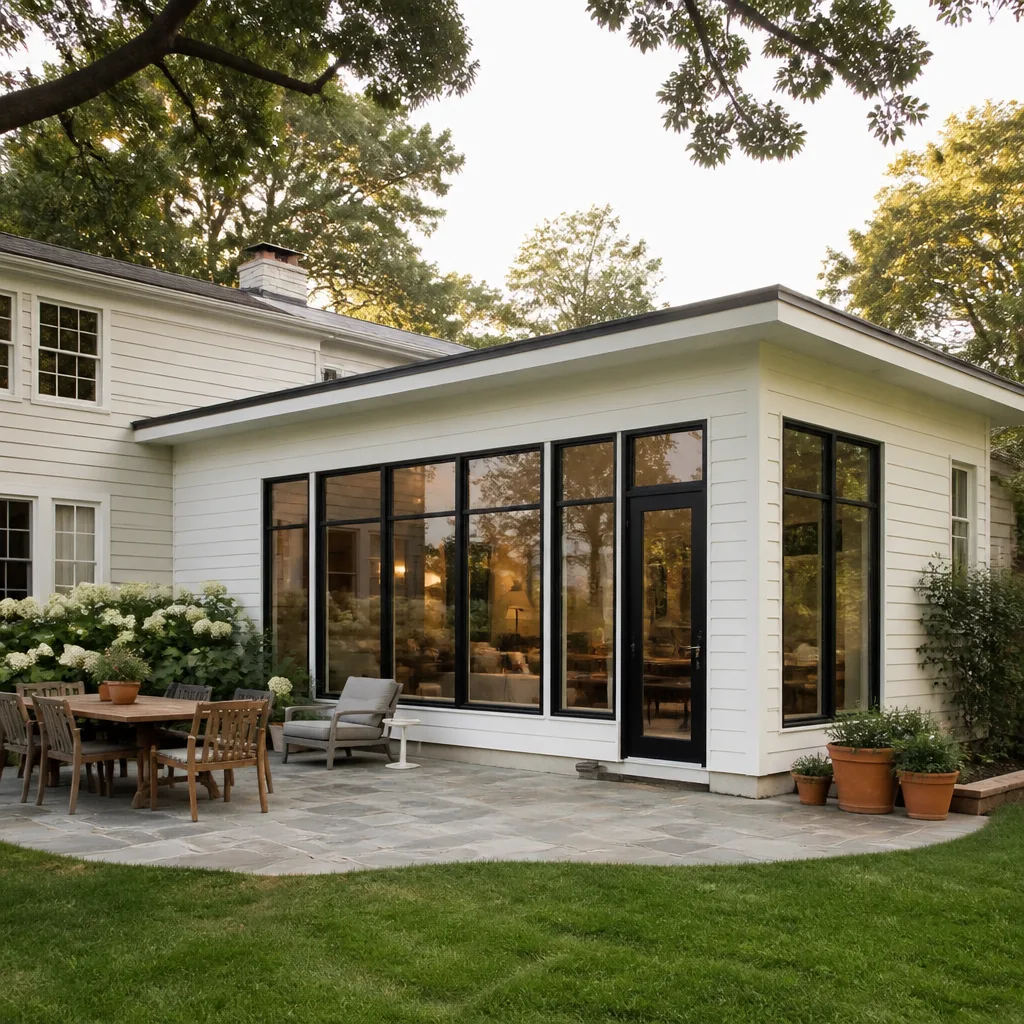
The Casita is the model we see most often in Jacksonville, and the compatibility picture is straightforward once you understand one thing: the Boxabl module itself is a steel-framed, factory-built unit that arrives on a trailer, but the addition or ADU work around it is all conventional site construction. There is no factory “addition kit” that clicks onto the side of a Casita. You’re building a conventional addition that attaches to, or sits adjacent to, the module, which means the compatibility questions are about rooflines, floor elevations, and how the module’s exterior panels connect to whatever you’re building.
Here’s the compatibility gotcha we’ve learned on Jacksonville jobs: the Casita’s finished floor sits higher than a typical slab-on-grade addition, often by four to eight inches depending on how the module was set. That elevation difference has to be resolved in the design phase, not discovered when the first floor joists go in. If you’re adding a site-built bedroom, bath, or covered porch to a Casita, the transition at the floor line matters more than the wall connection. We measure the as-built module elevation before we draw anything.
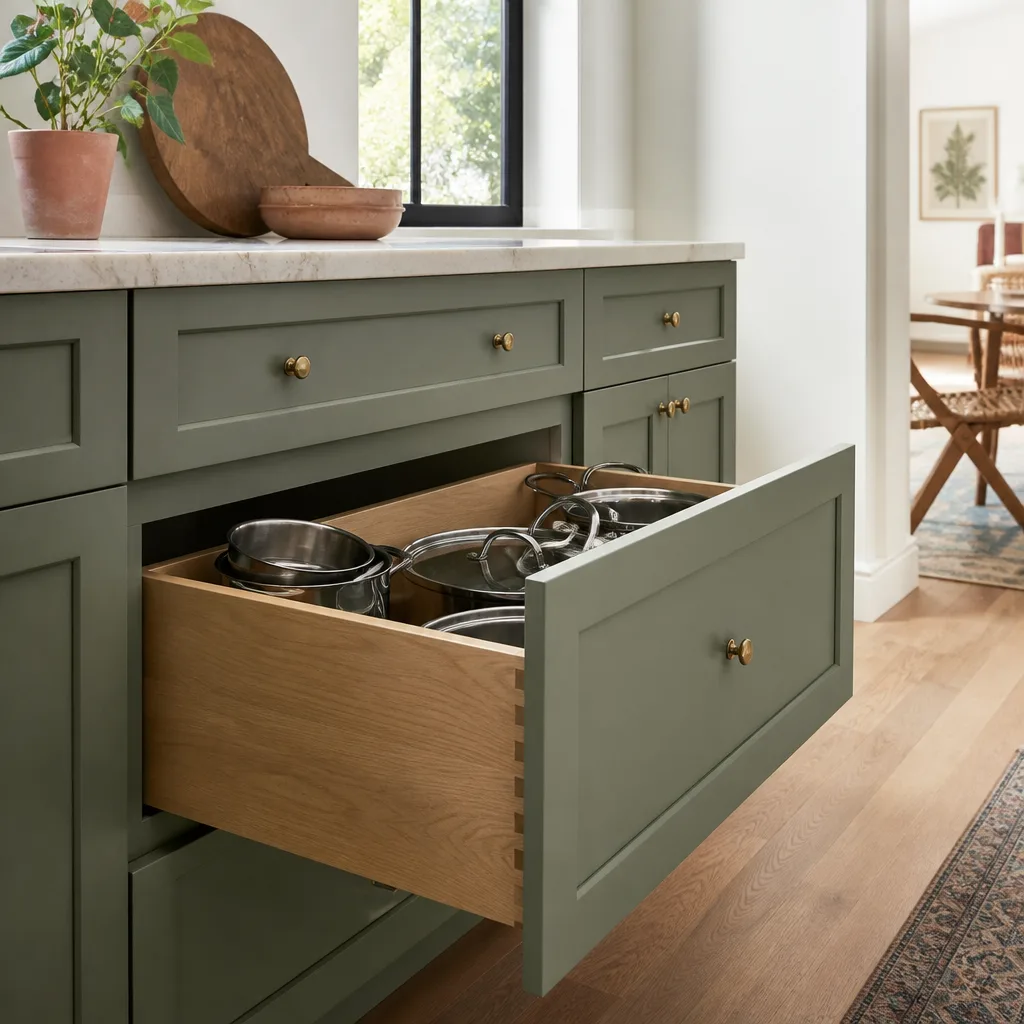
For finishes, the Casita’s interior uses specific trim profiles and panel dimensions, but the materials we install in an addition (drywall, flooring, cabinetry, fixtures) are standard residential products from brands like KraftMaid for cabinets and Cambria or Silestone for countertops, so the addition will match or deliberately contrast with the module depending on what you want. There’s no OEM-vs-aftermarket parts question for home additions the way there is for a water heater or a refrigerator. The “parts” here are lumber, steel connectors, fasteners, flashing, sealant, and finish materials, all selected for Jacksonville’s climate, specifically our humidity and our hurricane wind requirements.
Styles & brands we work with







Signs Your Boxabl Home Addition or ADU Is Failing
- Gap opening at the module-to-addition seam. The module and the site-built addition settle at different rates in Florida’s sandy, shifting soil, and the first sign is usually a widening seam where the two structures meet. The cause is almost always differential settlement, and the fix is a flexible transition detail, not more caulk.
- Door that binds or won’t latch. When a door in the addition starts sticking, the floor system or the module itself has moved slightly. On Jacksonville lots with high water tables, this shows up within the first two wet seasons if the foundation wasn’t compacted and drained properly.
- Musty smell or visible moisture at the connection point. Florida’s afternoon thunderstorms will find any flashing mistake at the roofline or wall intersection. Water intrusion at the module-to-addition connection is the most common issue we correct on existing Boxabl additions in Jacksonville.
- Cracks in the slab or foundation piers under the addition. North Florida soil moves with the rain cycle. Hairline cracks are normal; cracks wider than about an eighth of an inch deserve a foundation contractor’s attention before any finish work continues.
- Roof leaks where the addition ties into the module. The Casita’s roof profile is low and specific. If the addition’s roof was not tied in with proper cricket and flashing details, water pools at the junction and finds its way in during heavy summer downpours.
See the difference
 Before
 After
After Before
 After
After Before
 After
AfterReplacement Cost & What’s Included
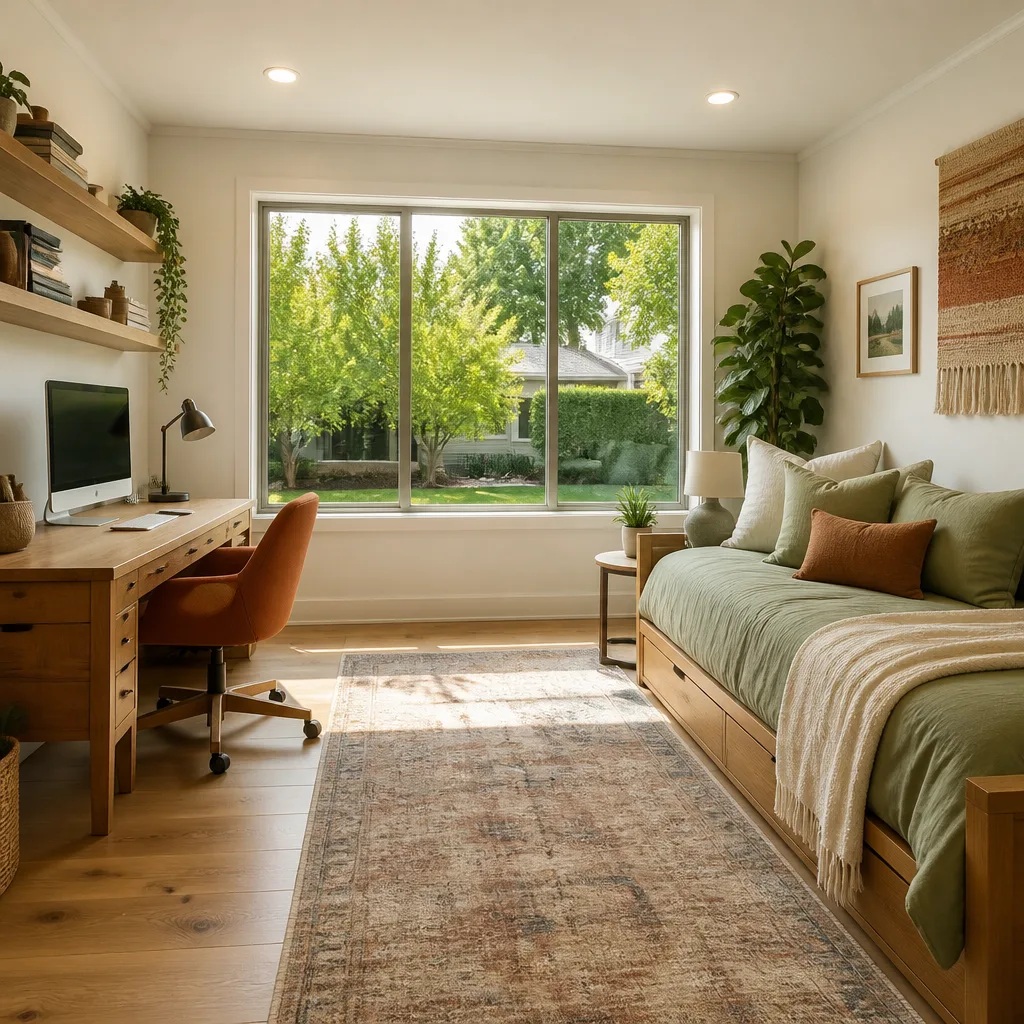
A full home addition or ADU project in Jacksonville runs $45,000 to $130,000 with us, and the range comes down to square footage, site conditions, and finish level. Here’s how that breaks down:
- Site preparation and foundation: $8,000 to $25,000, depending on whether we’re pouring a slab, sinking piers, or doing a raised-floor system over wet ground.
- Framing, roofing, and exterior siding: $15,000 to $40,000, with roof tie-in and flashing work included.
- Rough-in utilities (electrical, plumbing, HVAC): $8,000 to $20,000, which covers connecting the addition to the existing module’s systems or running new service where needed.
- Interior finishes (drywall, flooring, paint, trim, fixtures): $12,000 to $35,000, and this is where brands like KraftMaid, Cambria, and Silestone come in if you want named materials with transferable warranties.
We give you a written price before any work starts, and that price is the price: materials listed by name, labor broken into stages, no allowance line items that quietly grow. The 365-Day Done Right Promise covers the finished project, so if something’s not right after we’re done, we make it right.
DIY or Call Us?
Home additions and ADUs are not DIY projects, and that’s not us protecting our trade, it’s the plain truth about Florida building codes. In Jacksonville, an addition or ADU requires stamped drawings, a building permit, inspections at multiple stages, and compliance with wind-load standards that exist because hurricanes are real here. A homeowner can absolutely do some things: walk the site and note where water pools after a hard rain, document existing cracks with photos and dates, and research finishes and fixture brands before you call anyone. What a homeowner should not do is attempt structural work, roofing tie-ins, or electrical connections on a Boxabl addition. The high-tension fastener work and the electrical panel connections can injure you, and code violations discovered at resale will cost more than the original work would have.
If you’re not sure whether the issue you’re seeing is serious, call us at (904) 643-6243 and describe it. We’ll tell you honestly whether it’s something to watch or something to address now, and the estimate is free.
FAQs
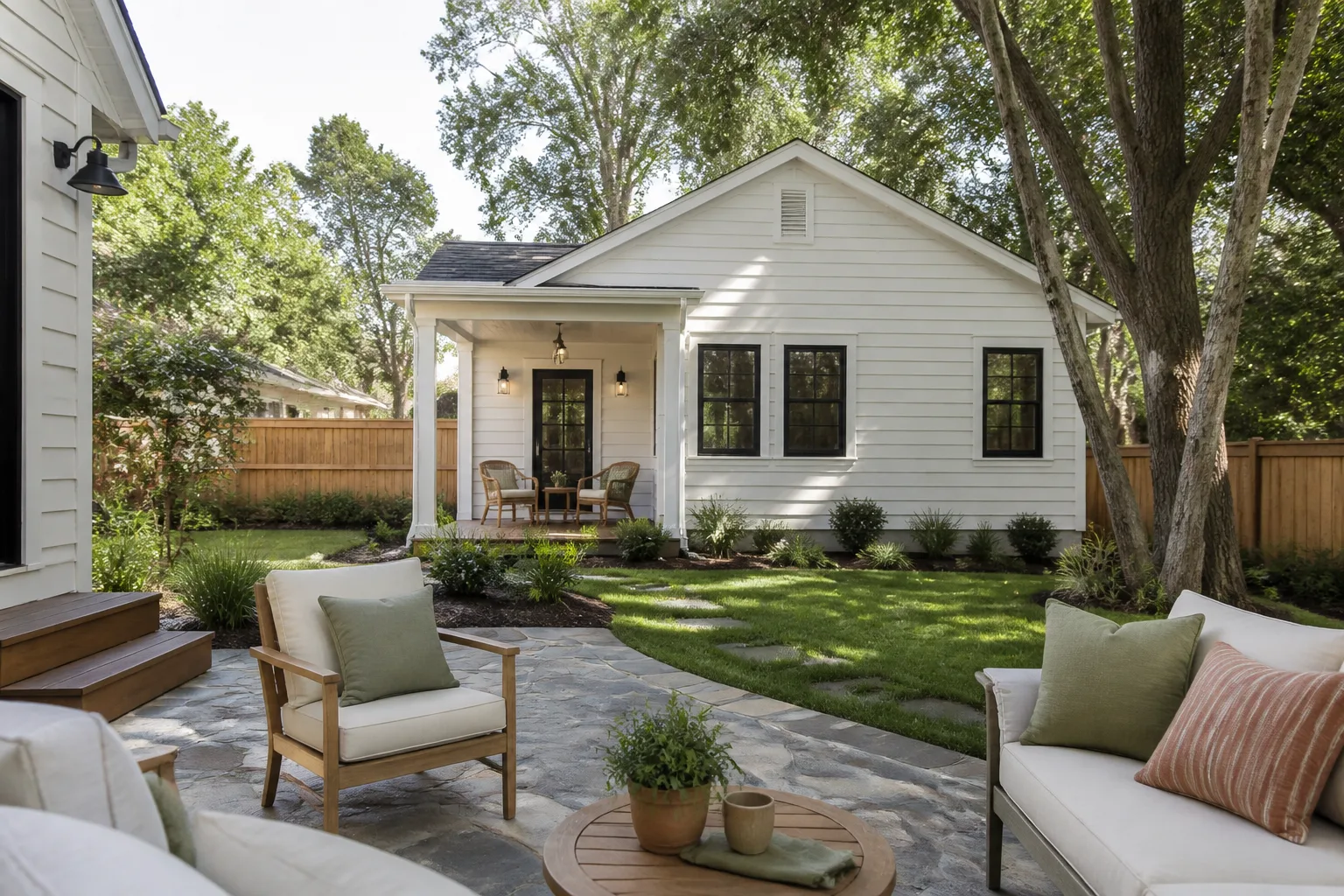
A properly built site addition attached to a Boxabl in Jacksonville lasts 40 to 60 years for the structure, with roofing and exterior finishes needing replacement on their normal cycle, typically 15 to 20 years for shingles and 25-plus for metal. The weak points are the connection details between the module and the addition, and the foundation, which is why we spend extra time on flashing, drainage, and soil preparation. Call (904) 643-6243 if you want us to look at an existing addition’s connection points.
Yes, and most of the repair calls we field in Jacksonville are for connection seams, flashing failures, and door adjustments, all of which are repairable without rebuilding anything. If the foundation has moved significantly or the framing has rot, the repair scope grows, but a full teardown is rarely the answer. Call (904) 643-6243 and we’ll walk the site and tell you what actually needs to happen.
A typical Boxabl-compatible addition or ADU takes 10 to 18 weeks from permit to final inspection, depending on scope, weather, and how fast the city of Jacksonville’s building department is moving that season. We name the day the dumpster arrives and the day we expect the final walk-through, and we update you at every inspection point.
We source and supply everything for the addition: lumber, steel connectors, flashing, roofing, drywall, and finish materials. For the module itself, any interior finish work we do uses standard residential materials from our partners like KraftMaid for cabinets and Cambria or Silestone for countertops. You won’t be asked to order anything yourself. Call (904) 643-6243 for a free estimate and we’ll put the full material list in writing.
Written by Graham Stein, Owner, Elmstead Remodeling Jacksonville at Elmstead Remodeling Jacksonville, serving Jacksonville and nearby areas.


