




Free written scope consultation - allowances, timeline, and change-order rules on paper before a single trade is scheduled
Caesarstone Fence Installation: The Jacksonville Owner’s Guide
Caesarstone fence installation in Jacksonville typically runs $3,500 – $9,000 installed, and the work usually takes one to two days once materials arrive. We stock the common fence profiles and mounting hardware for current Caesarstone countertop lines on our trucks, so most Jacksonville homes we quote are ready for install within a week of the written price. Most owners discover the fence has failed the same way: a sink-side seam opens slightly, or a section of the edge profile pulls away from the slab, and suddenly water is finding its way under the surface instead of staying on top of it.
The fence on a Caesarstone counter is the raised edge profile that borders the slab, usually where it meets a wall, a cooktop, or a sink run. In Jacksonville’s humidity cycle, the silicone bond between fence and slab sees more expansion stress than almost any other joint in the kitchen. When that bond lets go, the fence doesn’t always fall off dramatically. It begins with a hairline gap. Then the gap widens. Then you notice the fence flexes when you wipe it down. That is the moment to call, before the slab edge starts wicking water and the substrate swells underneath.
Graham Stein has walked enough Jacksonville kitchens to know the difference between a fence that can be re-bonded and one that needs full replacement. We will tell you which one you have, and we will put the price in writing before any work starts.
Which Caesarstone Models This Applies To
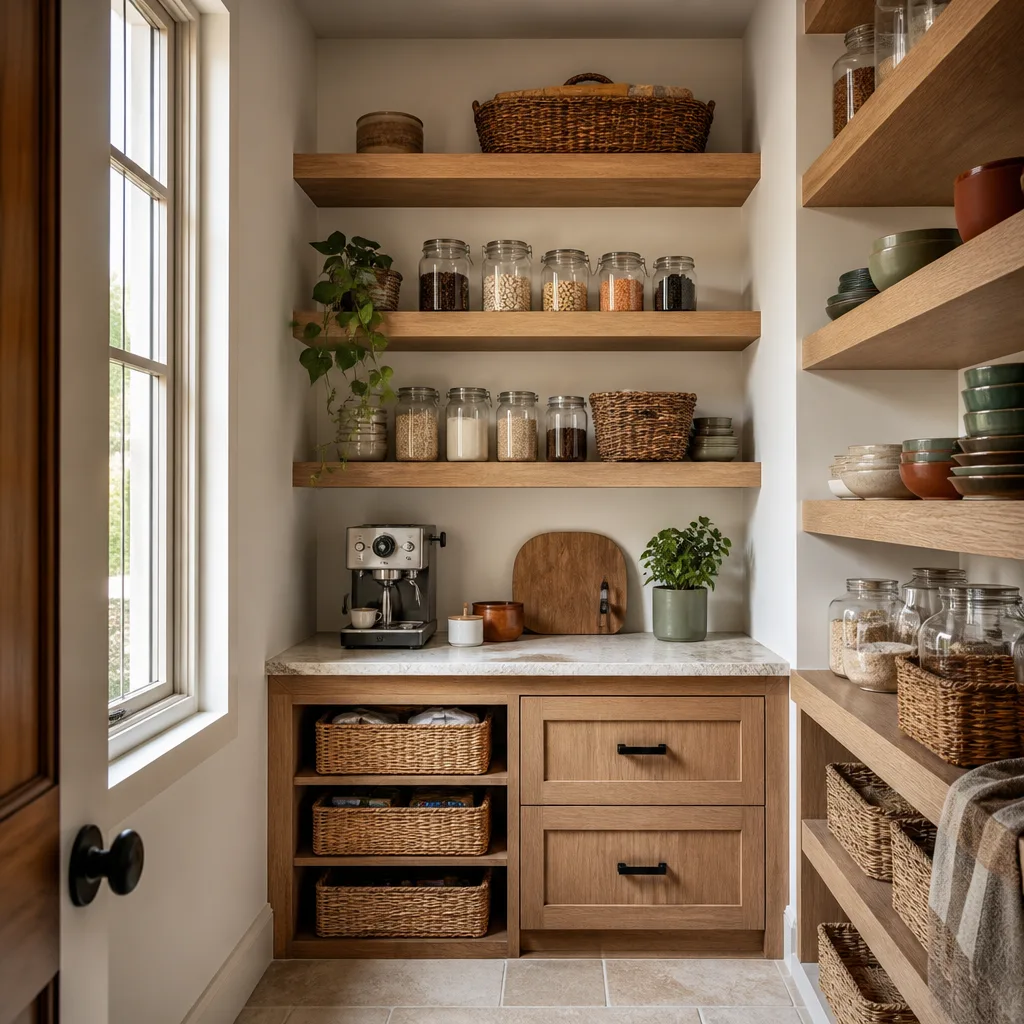
Caesarstone fences are not universal. The company uses engineered quartz slabs in 2 cm and 3 cm thicknesses, and the fence profile is cut to match the slab’s thickness and edge treatment. A 2 cm slab with a laminated edge typically carries a thinner fence than a 3 cm slab with a standard eased edge. If you order a replacement fence without checking the slab thickness first, you will end up with a profile that sits proud of the surface or one that disappears under the overhang.
Current Caesarstone collections that commonly use fence profiles include the Metropolitan, Supernatural, and Classico lines, but the fence itself is less about the color collection and more about the fabricator’s edge choice at the original install. Jacksonville homes built in the last fifteen years skew heavily toward 3 cm eased-edge slabs, particularly in the newer subdivisions around Bartram Park and Nocatee. Older homes near San Marco and Riverside often have 2 cm slabs with laminated fronts, which changes both the fence dimensions and the mounting method.
How to confirm what you have: open the cabinet door below the sink and look up at the slab edge alongside the sink cutout. A laminated edge shows a visible seam where the front strip was bonded; a 3 cm slab usually reads as one solid piece. The fence itself is bonded with color-matched silicone or two-part epoxy, and the gap or movement you are seeing tells us whether the original installer used a flexible adhesive (correct for wood cabinets) or something rigid that has since cracked under cabinet movement.
On the OEM versus aftermarket question: Caesarstone does not sell direct to homeowners, so a “factory” fence piece is really a slab remnant matched and cut by a fabricator. A quality local fabricator can cut a fence from a small Caesarstone remnant to match your existing slab within acceptable color tolerance. The risk is buying a prefabricated aftermarket strip online that was cut from an unknown dye lot. Quartz colors shift subtly between production runs, and under LED kitchen lighting a fence one shade off will look wrong every single day. We match from remnants when we can, and we tell you honestly when a color match is close but not perfect before you spend a dollar.
Styles & brands we work with







Signs Your Caesarstone Fence Installation Is Failing
- A dark hairline line where fence meets slab. This is the silicone bond degrading. In Jacksonville’s summer humidity, silicone absorbs some moisture and loses adhesion strength. The line isn’t dirt; it’s the adhesive pulling away from the quartz.
- The fence moves when you press on it. Any lateral give means the adhesive has failed along part of the run. Epoxy-bonded fences tend to fail suddenly and at the epoxy, not the stone. Silicone fails gradually. Either way, movement is the point where replacement beats re-bonding.
- Water stains darkening the slab edge behind the fence. The fence was never just decorative. It directs water away from the seam where the slab meets the wall or the cabinet deck. Once moisture gets behind it, the substrate below swells and the slab can start to lift at the seam.
- Caulk or silicone peeling in small curls along the bottom of the fence. This is a mechanical bond failure, often from cabinet settling. Jacksonville houses on clay soil settle more than homeowners expect, and a rigid bond cannot flex with the cabinet run.
- The fence sits visibly lower than the slab surface in one section. That is a support failure underneath, usually a compressed shim or a soft spot in the cabinet deck. The fence did not fail first; the substrate failed first, and the fence is just showing it.
If you see the water stain or the drop, do not wait. The repair cost climbs quickly once the slab edge and the cabinet deck start absorbing moisture.
See the difference
 Before
 After
After Before
 After
After Before
 After
AfterReplacement Cost & What’s Included
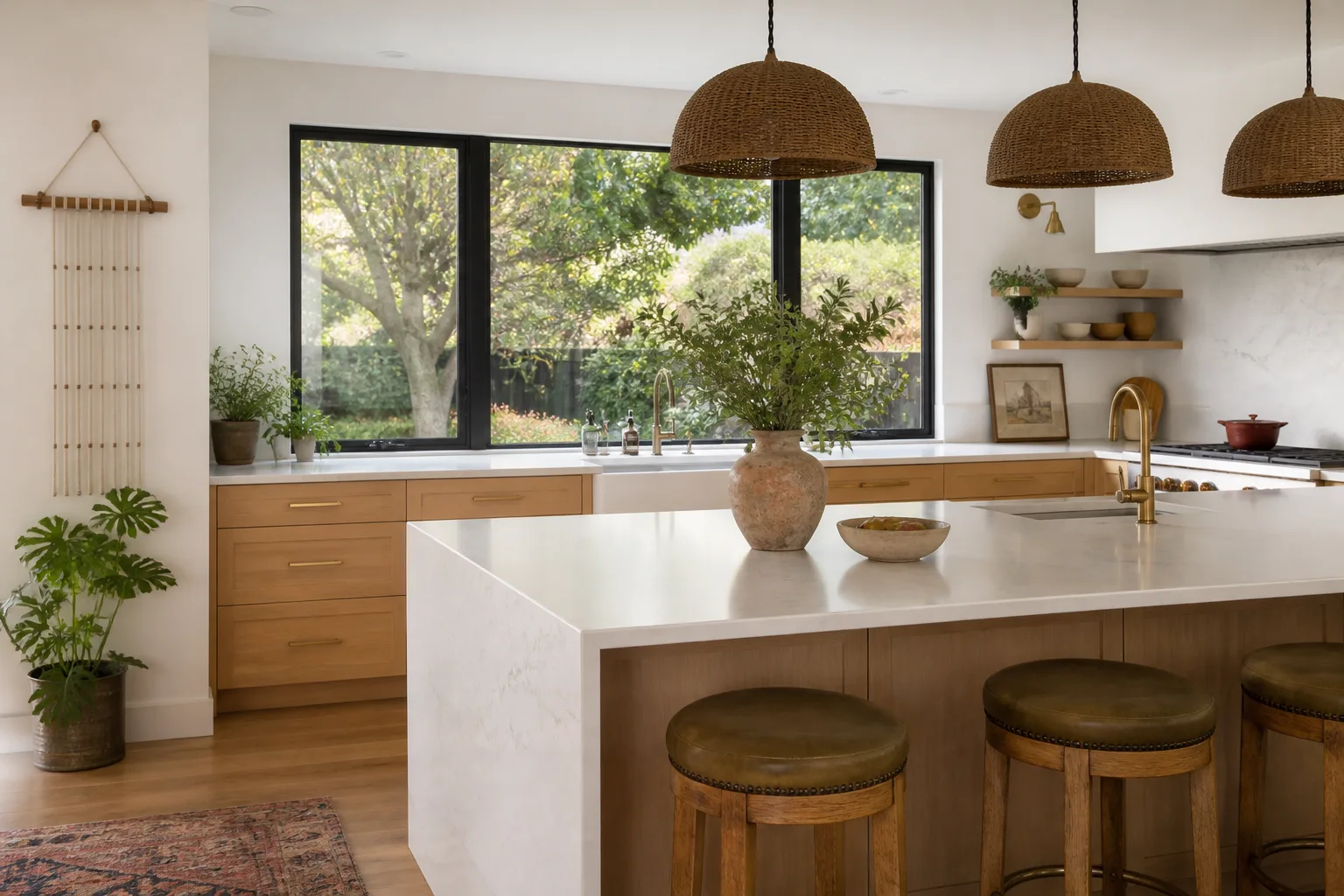
In Jacksonville, Caesarstone fence replacement runs $3,500 to $9,000 installed. The low end covers a straightforward single-run fence replacement on a 3 cm slab with a clean existing edge and no substrate damage. The high end covers multi-run work, a 2 cm laminated edge that requires careful color matching and fabrication, or substrate repair where cabinet decking has been compromised by moisture.
What drives the range: linear feet of fence, slab thickness, whether we are matching an existing remnant or cutting new stock, whether the cabinet deck needs reinforcement, and whether the old adhesive removal puts the slab edge at risk of chipping.
Every scope we write names the materials by line: linear footage of new fence, color-match fabrication time, adhesive type, substrate repair if needed, and the cleanup that happens before we leave. The price you get in writing is the price you pay. No allowance line items, no change orders because something was “discovered” after the crew arrived. Our 365-Day Done Right Promise applies to fence work the same as it applies to a full kitchen rebuild: if it is not done right, we make it right.
DIY or Call Us?
There is exactly one thing an owner can safely do here: document what you see. Take photos of the gap, the stain, the movement. Measure the slab thickness if you can. That information helps us quote accurately over the phone. What you should not do is pry the fence off yourself. Quartz is heavy and unforgiving, and a fence that is half-bonded can crack the slab edge when it lets go under hand pressure. A chipped slab edge turns a $3,500 fence job into a slab repair or a full counter replacement.
If the fence is fully loose and lifting off cleanly, you still have the adhesive removal problem. Old epoxy on quartz requires careful mechanical removal with the right wheel and a steady hand. Too aggressive, and you score the polished surface. Too light, and the new bond sits on old adhesive and fails again within a year. That is not a weekend project; it is a reason to call (904) 643-6243 and get a written price.
FAQs
A properly installed Caesarstone fence in Jacksonville should last 15 to 25 years, matching the life of the slab. What shortens that is adhesive failure from cabinet settling, prolonged exposure to sink splash, and water getting behind the bond line. Most fence failures in our area happen between year 8 and year 12, and almost all of them trace back to the original adhesive choice.
A fence can sometimes be re-bonded when the failure is caught early, the slab edge is dry, and the old adhesive is still flexible. Once the bond line has darkened with moisture or the fence has moved enough to compress the substrate, we recommend full replacement. Re-bonding over a wet or degraded surface is a short-term patch, and you will pay for the same labor twice. Call (904) 643-6243 and we will tell you which situation you have.
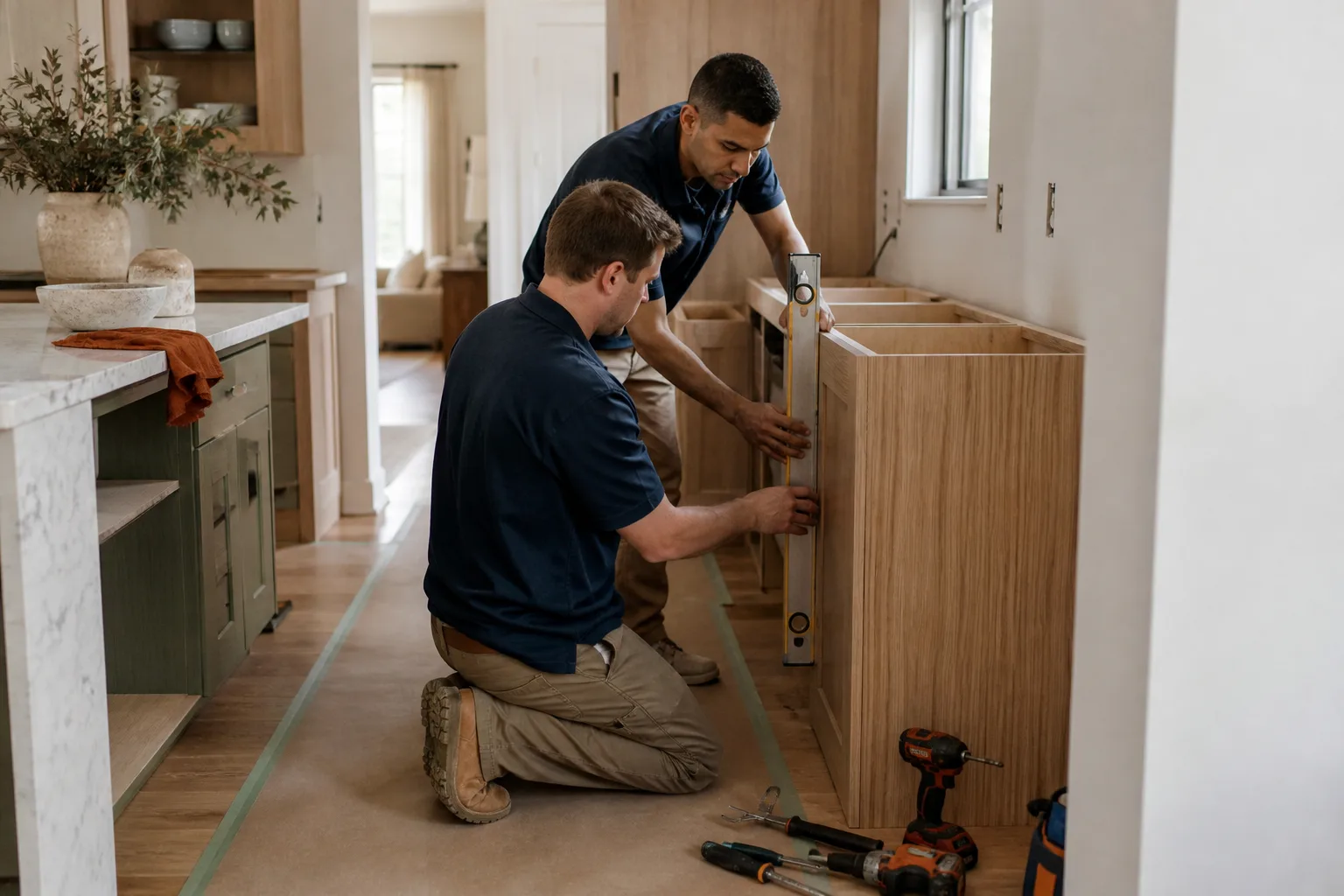
Most Jacksonville fence replacements take one to two days on site once the fabricated fence piece is ready. Fabrication typically adds three to seven business days depending on remnant availability and color match complexity. We keep the work area taped and protected during the cure window, and we schedule adhesive work around your family’s quiet hours where possible.
We keep common fence profiles and mounting adhesives stocked for current Caesarstone 2 cm and 3 cm slab thicknesses, along with color-matched remnants for the most common Jacksonville slab colors. If your remnant is not stocked, we source and fabricate before the crew arrives. The written price includes that fabrication time, so you are never guessing what the material will cost.
Written by Graham Stein, Owner, Elmstead Remodeling Jacksonville at Elmstead Remodeling Jacksonville, serving Jacksonville and nearby areas.


