
Free written scope consultation - allowances, timeline, and change-order rules on paper before a single trade is scheduled
James Hardie Home Additions & ADU: The Jacksonville Owner’s Guide
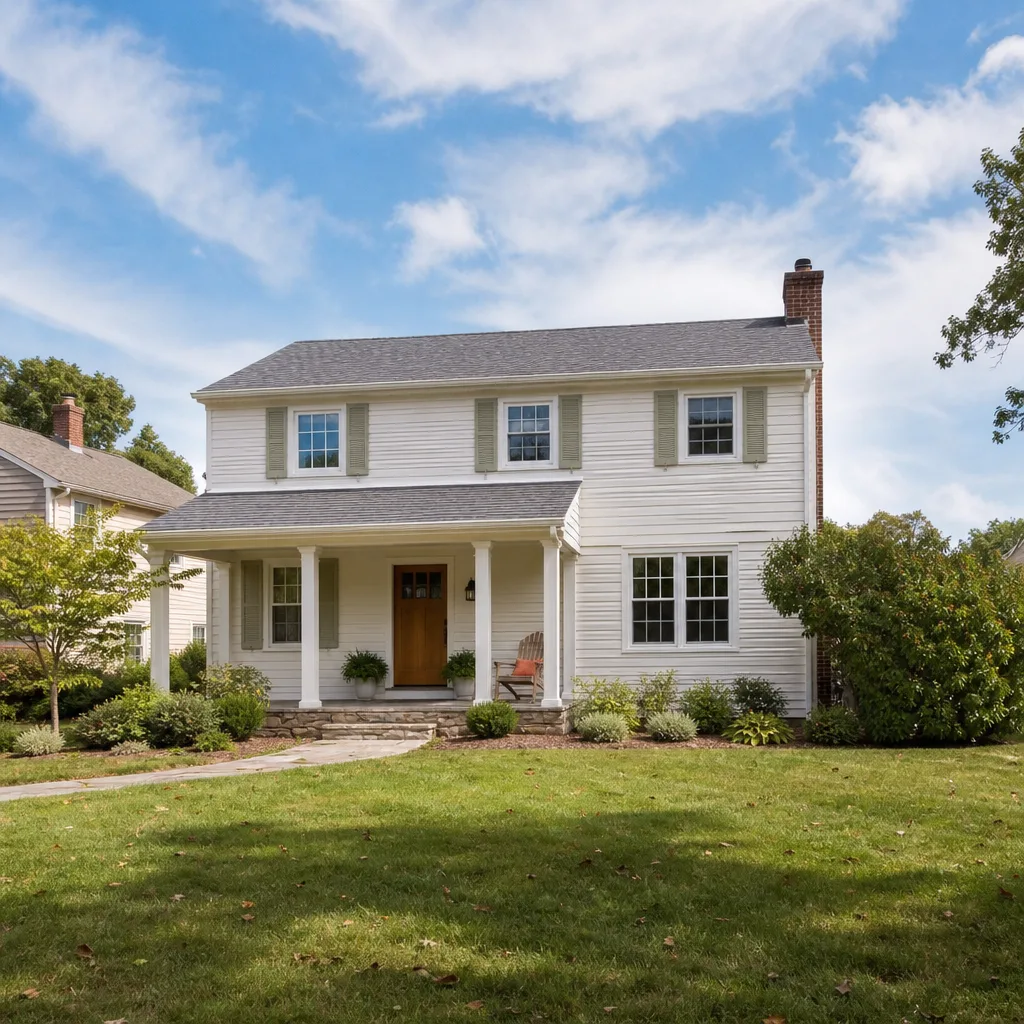
A James Hardie home addition or ADU in Jacksonville typically runs $45,000 – $130,000 fully installed, depending on square footage, foundation work, and whether we’re tying into existing HardiePlank lap siding or HardiePanel vertical siding. Most Jacksonville homeowners call us when they notice the siding on an older addition failing at the seams, or when they’re planning an ADU and want the exterior to match the main house exactly. The symptom that usually triggers the call is visible: HardiePlank boards that have swollen at the butt joints, cracked corners, or paint that won’t hold on the bottom course where Jacksonville’s summer humidity and afternoon thunderstorms work the material hardest.
We’re an independent Jacksonville remodeling contractor, not a James Hardie company. We install HardiePlank, HardiePanel, HardieTrim, and HardieSoffit because they hold up in our climate better than most alternatives, but you should know exactly what you’re buying and why before the first board comes off the truck.
Which James Hardie Models This Applies To
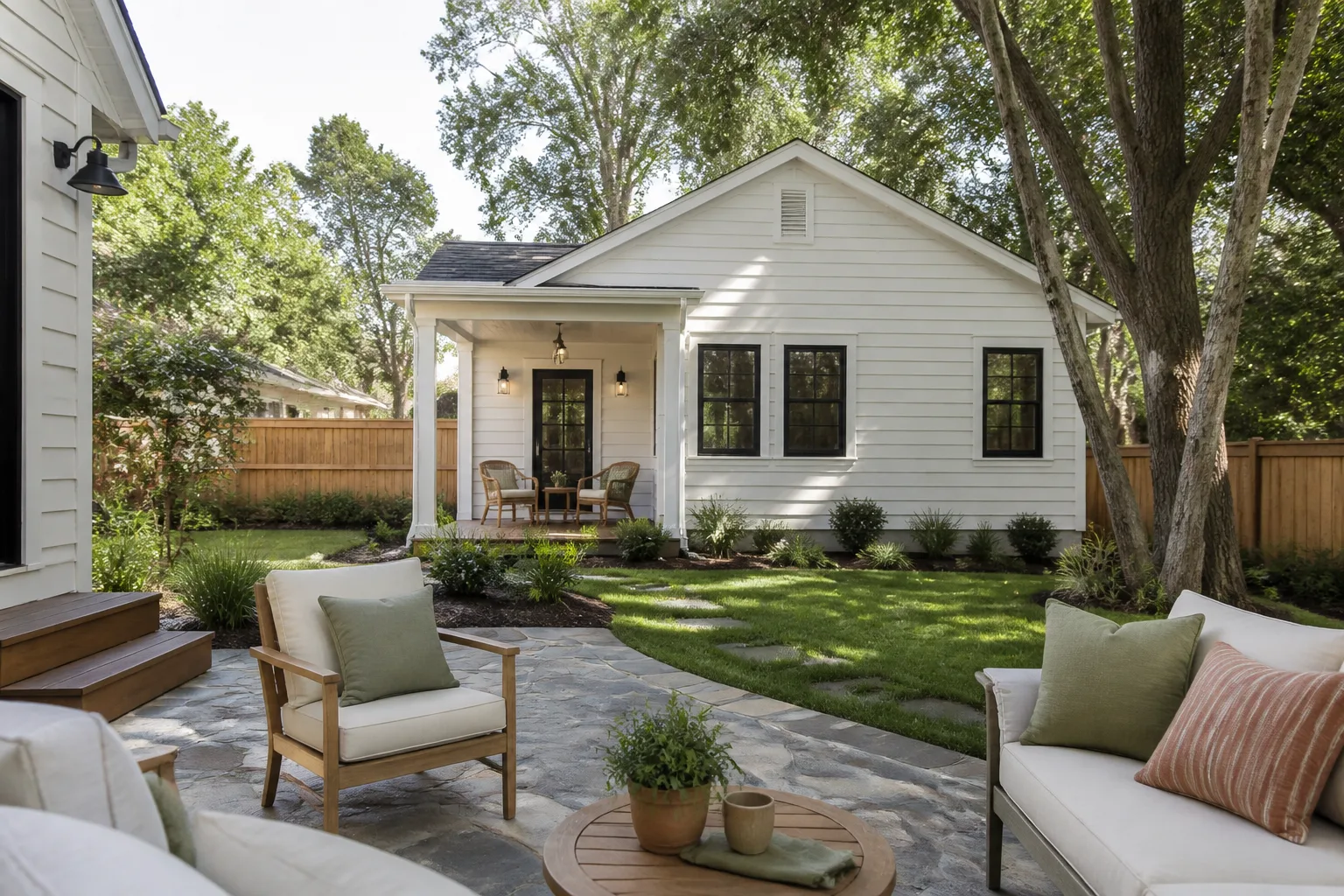
James Hardie makes several exterior product lines, and not all of them are right for a Jacksonville ADU or addition. The two workhorses are HardiePlank lap siding (available in 4-inch, 5.25-inch, and 8.25-inch exposures; the 5.25-inch is what we install most often in Jacksonville’s older neighborhoods like Avondale, where the Craftsman bungalows need the narrower exposure to read correctly against the original cedar) and HardiePanel vertical siding (4×8 and 4×10 sheets, smooth or stucco texture). HardieTrim boards come in 4/4 and 5/4 thicknesses and are what we use for corners, window surrounds, and fascia, and HardieSoffit panels are what vent the eaves.
The compatibility gotcha most owners miss: HardiePlank is 5/16-inch thick, not the 1/2-inch or 3/4-inch of traditional wood siding. If your existing addition was framed for thicker material, every outside corner, window buck, and door jamb needs to be adjusted before the Hardie goes on, or you’ll get proud trim, cracked boards, and a water path behind the siding. When we write a Jacksonville addition scope, we measure the existing wall assembly before we price the siding, because that detail changes the labor by days, not hours. On the OEM-versus-aftermarket question: James Hardie products are fiber cement, and there is no aftermarket equivalent that carries the same 30-year limited warranty and the same ASTM E136 non-combustible rating. We install genuine James Hardie on every project; no knockoff fiber-cement board is going on a house we’re responsible for.
Styles & brands we work with







Signs Your James Hardie Home Additions & ADU Is Failing
- Swelling or buckling at butt joints: HardiePlank is installed with a small gap at each joint, then caulked or flashed. In Jacksonville, where we get 50-plus inches of rain a year, the caulk eventually fails, water wicks into the board end, and the board swells. Once swollen, it never goes back. The fix is board replacement and a better joint treatment: we flash the joints rather than caulk-only on new work.
- Paint peeling on the bottom course only: This is the classic Jacksonville failure. The bottom rows of siding sit closer to splash-back from soil and irrigation. If the original installer did not maintain the 6-inch clearance from grade that James Hardie specifies, the boards hold water, the paint film fails, and the board starts to delaminate at the edges.
- Cracked corners or chips around fastener heads: Fiber cement is brittle compared to wood. If the original installer over-drove the nails or placed them too close to board edges, the corners crack. You will see this first on HardieTrim, especially at outside corners where expansion and contraction across Jacksonville’s hot summers stress the material.
- Gaps between trim and siding that widen seasonally: Hardie products expand and contract with humidity. If the trim was butted tight in the winter, summer expansion pushes boards against each other and opens gaps at the trim line. Caulk alone will not fix this; the boards need re-cutting to the correct clearance.
- Soft spots below windows or at belly bands on the addition: Water entering at the top of a window or at a horizontal trim line travels down inside the wall before it shows itself. By the time you see staining or softness on the back side of the wall, the damage is weeks or months old. This is the sign we take most seriously when we walk a Jacksonville addition, because it usually means the flashing above the window or below the band was not installed in the correct sequence.
See the difference
 Before
 After
After Before
 After
After Before
 After
AfterReplacement Cost & What’s Included
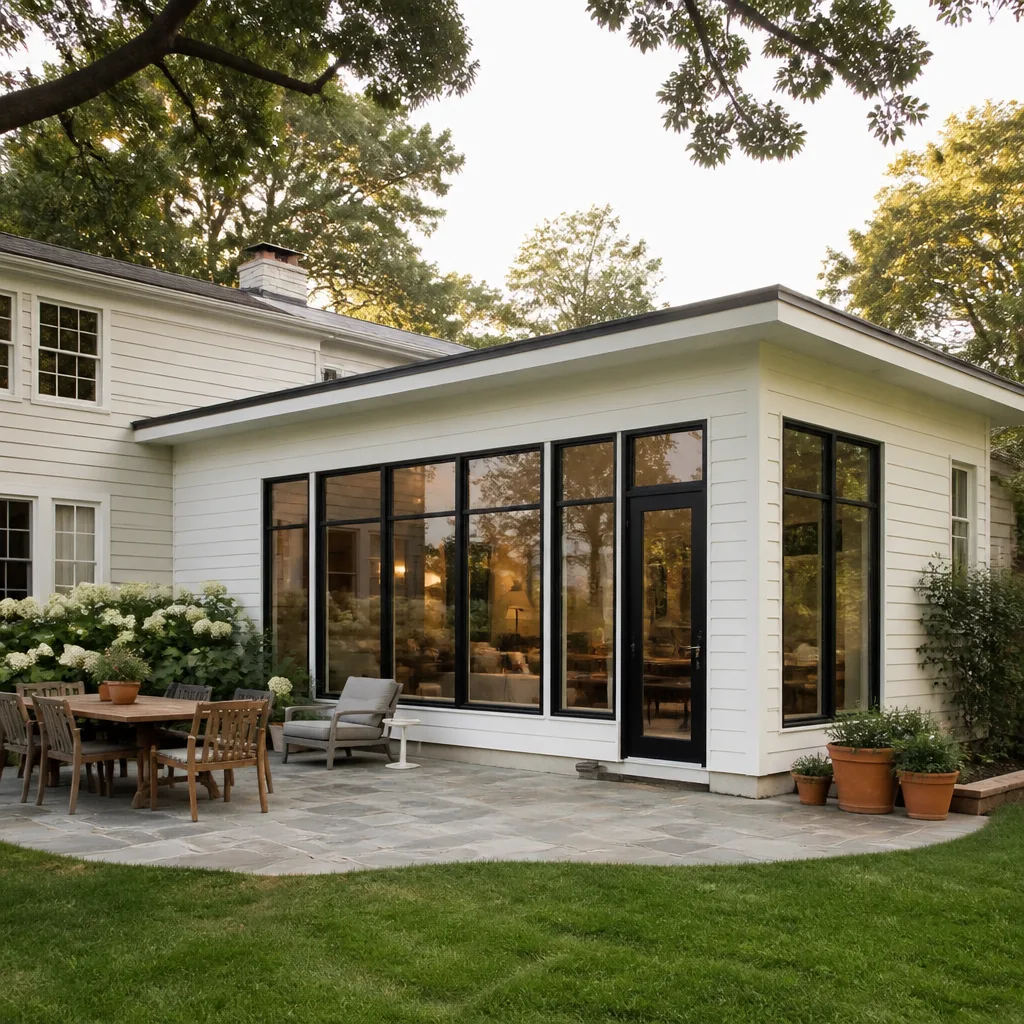
In Jacksonville, a full James Hardie re-side of an existing addition runs $45,000 – $130,000 depending on square footage, the condition of the wall sheathing underneath, and whether we’re matching lap exposure to the main house or changing profile. New ADU construction with Hardie exterior falls in the $90,000 – $220,000 range when you include foundation, rough framing, mechanical, and finishes, not just the siding. The range is wide because Jacksonville soils vary block by block: an ADU in Avondale might sit on 100-year-old lot lines with tight access and a crawl space that needs piers, while a backyard build in a newer subdivision goes on a flat slab and goes up fast.
What’s included in our pricing, always: the written line-item price before any work starts, the specific James Hardie product named by model and color, the labor broken into stages, flashings and accessory trim by name, and the 365-Day Done Right Promise stamped on the contract. There are no allowance line items that quietly grow. If the sheathing behind the old siding is rotted, we show you the damage, price the repair as a change order in writing, and wait for your approval before we proceed.
DIY or Call Us?
What you can safely do yourself: check the bottom course of siding for the 6-inch clearance from grade, look at the caulk joints for failure, and take photos of any cracking or swelling you see. Those photos help us price the job before we visit. What you should not DIY: removing and replacing fiber-cement boards on a wall that is part of your home’s weather envelope. Fiber cement is heavy, it requires specific cutting tools (fiber-cement shears or a blade rated for silica dust – a circular saw with a wood blade will ruin the board and fill the air with silica, which is a long-term respiratory risk), and an improperly flashed joint is a slow water leak you won’t see until the wall is damaged. We use HEPA dust collection on cuts, and a wrong DIY cut on HardiePlank is not fixable with caulk. Call (904) 643-6243 and we’ll walk the addition with you, at your pace, and write the scope in plain language.
FAQs
James Hardie fiber-cement siding carries a 30-year limited warranty, and in Jacksonville’s humidity and rain, a correctly installed HardiePlank exterior typically lasts 30 – 40 years before boards need replacement – provided the joints were flashed, the fasteners were not over-driven, and the bottom course was kept at least 6 inches above grade. Poor installation can cut that lifespan in half, which is why we write the install details into the contract rather than leaving them to the crew’s discretion.
Yes, if the damage is confined to a few boards and the surrounding material is sound. We remove the failed boards, check the flashing behind them, and install matching James Hardie replacements. If the original product has been discontinued in that color or texture, we’ll match as closely as available product allows and tell you honestly if the match will be visible. Call (904) 643-6243 and we’ll tell you over the phone whether a board-level repair or a full re-side makes sense for your addition.
Most addition re-sides in Jacksonville run 2 – 4 weeks from first board off to final paint, depending on the size of the addition, how much sheathing repair is needed, and the weather – afternoon thunderstorms in summer can pause exterior work for hours at a time. ADU builds run 4 – 7 months from permit to final inspection. We’ll name the day the materials arrive and the day the job ends before we start, and we hold to the schedule through the written scope.
We order James Hardie materials per project from our Jacksonville suppliers, specified by what your existing siding requires – exact exposure, texture, and color matched before we order. We don’t warehouse siding, because Jacksonville’s humidity shortens the shelf life of fiber cement if it isn’t stored flat and dry. What we do bring on the truck: the correct fasteners, the flashing, the joint treatments, and the dust collection equipment, all named in your estimate.
When you’re ready to look at your addition or talk through an ADU, call (904) 643-6243. We’ll answer, listen, and set a time to walk the property. The written price comes before any work begins, and the 365-Day Done Right Promise covers the finished job in full. Name the material, name the day, name the price – then there is nothing left to wonder about.
Written by Graham Stein, Owner, Elmstead Remodeling Jacksonville at Elmstead Remodeling Jacksonville, serving Jacksonville and nearby areas.


